
Foreign Affairs
Trump administration revokes Harvard’s right to enroll international students

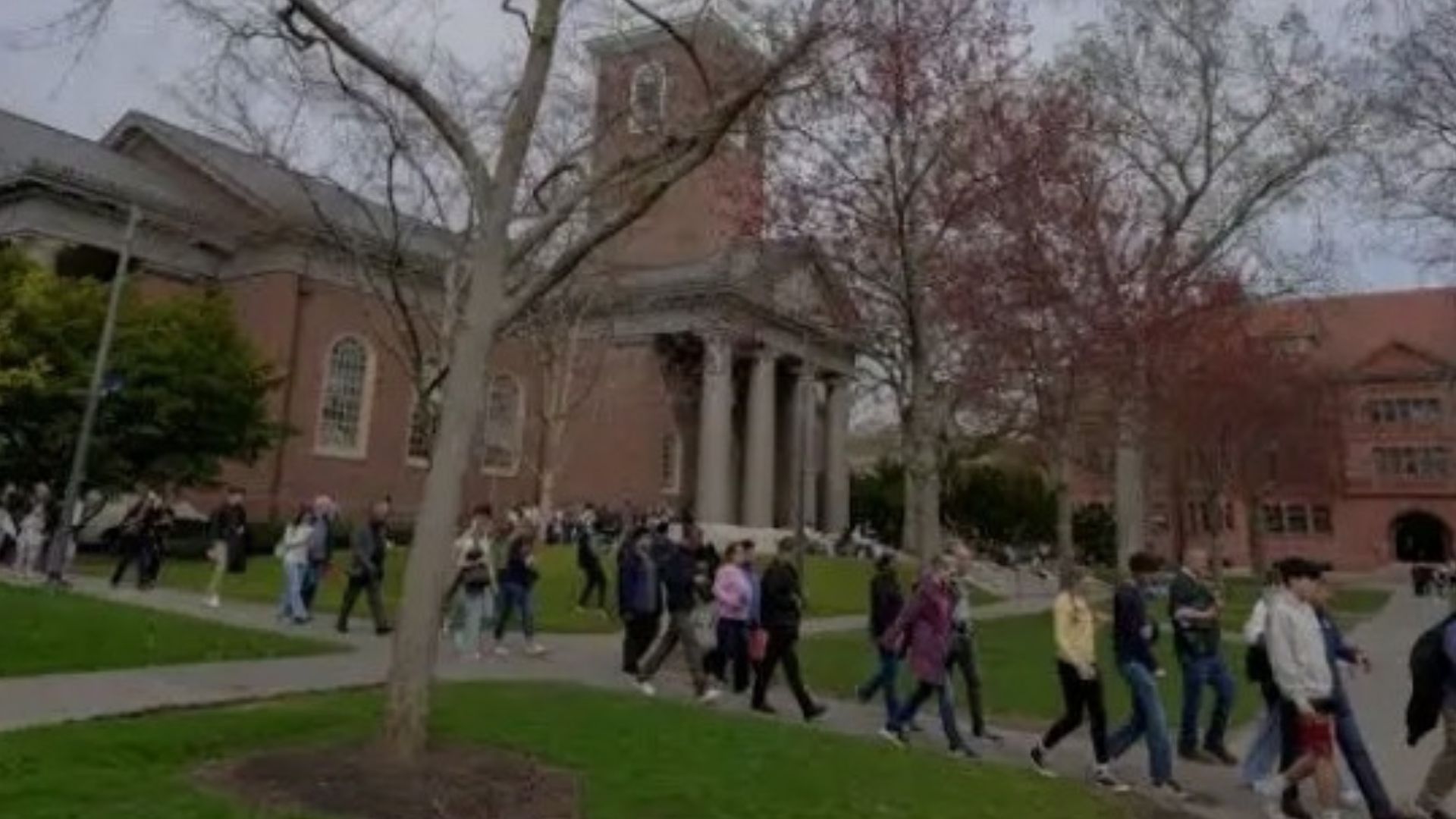
In a sweeping and controversial move, the Trump administration on Thursday revoked Harvard University’s ability to enroll international students, ordering thousands of current foreign students to transfer or risk losing their legal status.
The unprecedented action, led by the Department of Homeland Security, has sent shockwaves through the higher education community and drawn swift condemnation from academic leaders, legal scholars, and foreign governments.
Homeland Security Secretary Kristi Noem announced the decision in a brief statement, revealing that the department has terminated Harvard’s certification under the Student and Exchange Visitor Program (SEVP), effective for the 2025–2026 academic year.
Without SEVP certification, Harvard is barred from issuing the Form I-20 — a crucial document required for foreign students to obtain visas.
“The Department is committed to enforcing immigration law fairly and firmly. No institution, no matter how elite, is above the law,” Noem said.
“We found serious compliance issues that justify this action, and we are reviewing additional schools for similar violations.”
While the administration has not publicly detailed the alleged violations, sources familiar with the decision say the move stems from a months-long investigation into record-keeping practices, funding disclosures, and student employment authorization. Critics, however, argue the decision is politically motivated and part of a broader crackdown on elite academic institutions perceived as unfriendly to the Trump administration.
In a strongly worded response, Harvard President Claudine Gay condemned the decision as “vindictive, legally indefensible, and devastating to our international community.”
“This action threatens the academic futures of thousands of students from around the world, undermines our university’s core mission, and sends a chilling message to every foreign scholar considering the United States,” Gay said.

According to university officials, Harvard hosts more than 6,000 international students from over 100 countries. The administration has given them until the end of the summer to transfer to other SEVP-certified institutions or leave the country.
Legal experts warn the action could face immediate court challenges. “This is a dramatic escalation,” said immigration attorney David Leopold. “If the government can unilaterally revoke SEVP certification without due process, it sets a dangerous precedent.”
Meanwhile, universities across the U.S. are bracing for further scrutiny, as DHS signaled it may expand its investigation to other schools.
The Association of American Universities issued a statement calling the move “an assault on academic freedom and international cooperation.”
Foreign ministries in countries including India, China, Germany, and Brazil have demanded explanations and promised consular support for affected students.
As the 2024 election looms large in the background, many observers see the crackdown as a political gambit aimed at energizing Trump’s base with hardline immigration stances and attacks on elite institutions.
“This is more about politics than policy,” said former DHS official Juliette Kayyem. “But the collateral damage is very real — for students, for science, and for America’s global reputation.”
Harvard has vowed to fight the decision in court and is working with partner institutions to arrange emergency transfers for its international students. A legal battle appears imminent, with the first hearings expected as early as next month.





 News1 day ago
Edo security operative escapes from kidnapper’s den, frees 2 others
- Special Features1 day ago
7 practical ways of purifying water safely at home
- News1 day ago
Outrage as mortuary attendant caught using human leg as walking stick in Benue
- News1 day ago
APC accuses gov Adeleke of withholding LG salaries in Osun
- News1 day ago
Atiku meets Adamawa ADC stakeholders in Abuja ahead of 2027
- Politics13 hours ago
APC support groups in Ondo reject State directive, back Tinubu ahead of 2027
- News1 day ago
JAMB officially releases Thursday’s UTME results, see how to check score
- Politics20 hours ago
2027: ADC is only party capable to unseat Tinubu – Atiku




You must be logged in to post a comment Login