
Foreign Affairs
U.S. to impose sanctions on Sudan over alleged use of chemical weapons

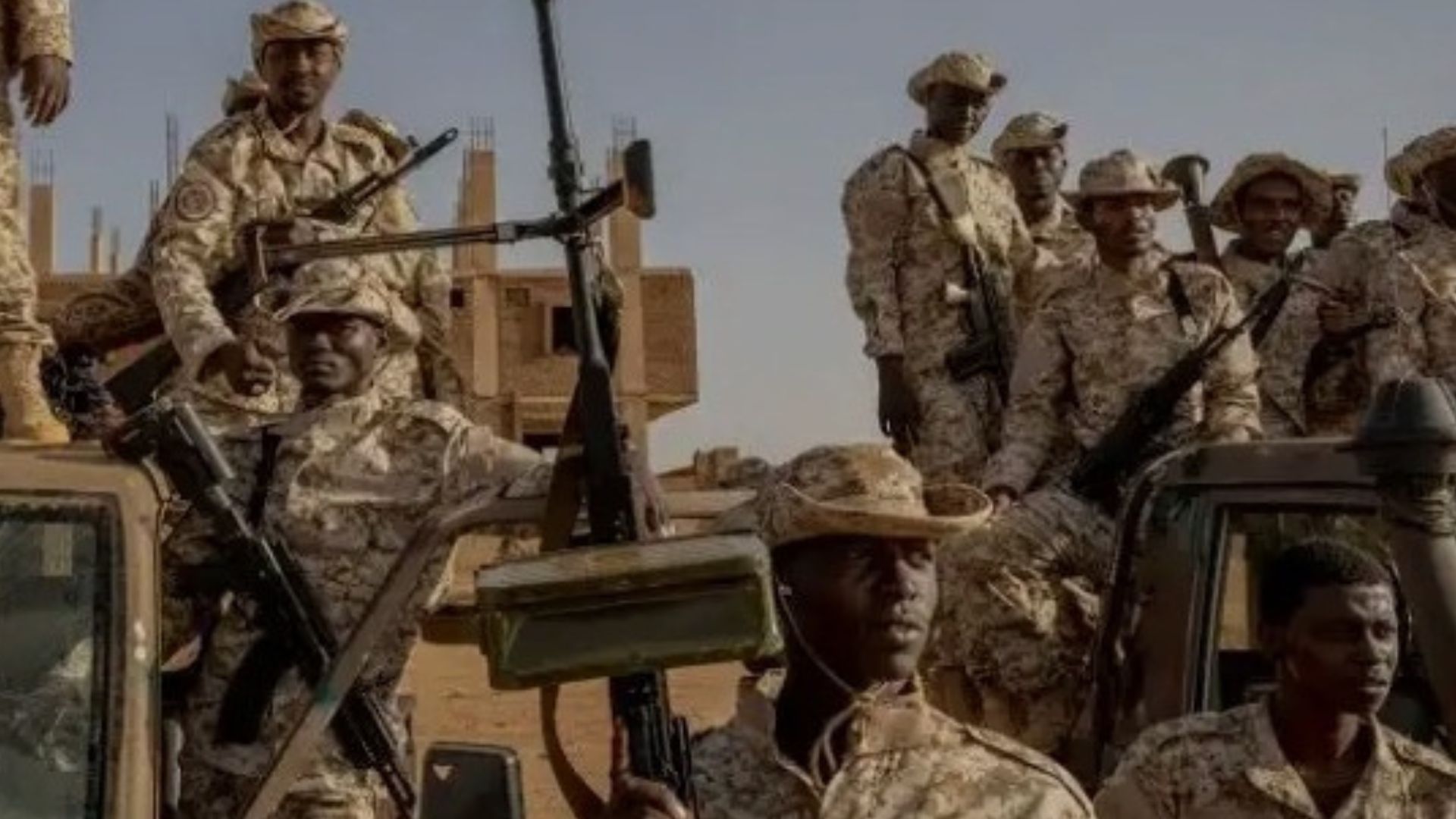
The United States will impose new sanctions on Sudan following a State Department finding that the Sudanese military used chemical weapons last year in its ongoing civil war against the Rapid Support Forces (RSF), a paramilitary faction.
The sanctions, set to take effect on June 6, include restrictions on U.S. exports to Sudan and tighter controls on the country’s ability to access international financial markets.
A statement issued by State Department spokesperson Tammy Bruce on Thursday said the decision was based on “compelling evidence gathered by U.S. intelligence and international monitoring organizations” that the Sudanese Armed Forces deployed banned chemical agents in multiple engagements in 2024.
“These actions represent a grave violation of international law and basic human decency,” Bruce said.
“The United States will not tolerate the use of chemical weapons, and we are committed to holding those responsible to account.”
The Sudanese government swiftly rejected the allegations. A government spokesperson described them as “baseless claims with no supporting evidence” and accused the U.S. of interfering in the country’s internal affairs.
The civil war in Sudan, now entering its third year, has pitted the national army against the RSF in a brutal contest for power that has devastated the country.

More than 150,000 people are estimated to have been killed, and millions displaced amid widespread reports of atrocities and human rights violations by both sides.
The U.S. and other international observers have previously accused both the Sudanese military and the RSF of committing war crimes, including mass killings, torture, and attacks on civilians—accusations both sides deny.
The new sanctions mark one of the most severe punitive measures imposed by Washington since the conflict erupted in April 2023. In addition to halting certain exports, the restrictions will limit Sudan’s access to credit through international financial institutions, a move that could further strain the country’s already fragile economy.
Human rights groups welcomed the announcement, calling it a necessary step to deter further violations and pressure both sides to engage in serious peace talks. However, analysts caution that the sanctions may have limited impact without broader international coordination.
“There’s a real risk that the sanctions will hurt ordinary Sudanese more than the elites responsible for the violence,” said Amina El-Fadil, a regional expert at the Africa Policy Institute.
“But without action, impunity will only deepen.”
As diplomatic efforts to broker a ceasefire continue, the U.S. urged both parties to respect international humanitarian law and reiterated its support for a negotiated political solution to the conflict.


 News2 days ago
Bandits murder 17 in Sokoto community attack
- Personalities Bios2 days ago
Who is Oghale Joseph? New CEO of PZ Cussons Nigeria
- News2 days ago
Kidnapped Kaduna schoolchildren, driver regain freedom after 36 days in captivity
- Crime Watch2 days ago
Court sentences 5 men to death for armed robbery, conspiracy
- News2 days ago
Nollywood Veteran actor, Janmole passes away
- News2 days ago
2 policemen killed as gunmen attack Soludo’s Chief of Staff convoy
- News2 days ago
I didn’t join APC because of Akwa Ibom deep seaport – Gov Eno
- News2 days ago
PSC denies viral police recruitment shortlist, says it’s fake











You must be logged in to post a comment Login