
Foreign Affairs
Trump envoy to hold Kremlin talks as push for Ukraine peace deal intensifies

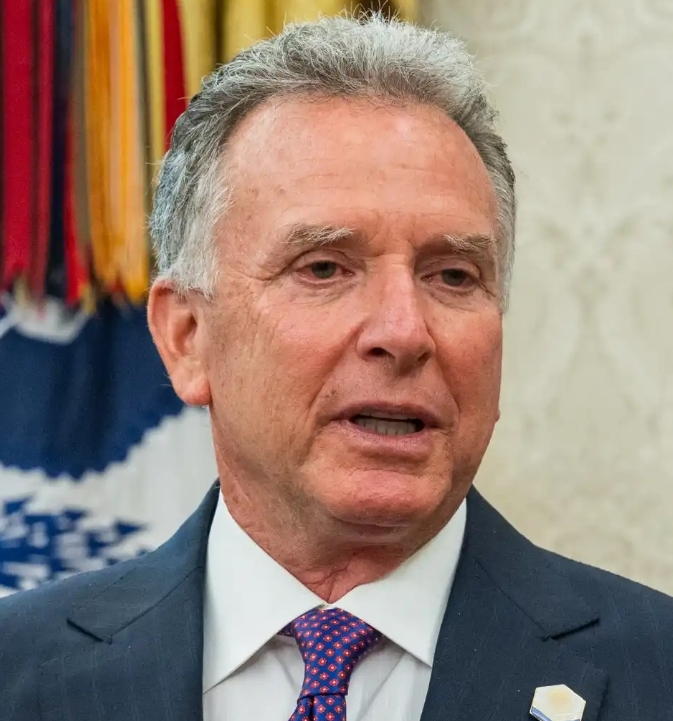
Donald Trump’s overseas envoy, real estate executive Steve Witkoff, will travel to Moscow next week for talks at the Kremlin, in the latest sign of accelerating U.S. efforts to broker a deal to end the war in Ukraine.
The visit was confirmed on Wednesday by Yuri Ushakov, a senior foreign policy adviser to Russian President Vladimir Putin, who said preparations were under way for discussions with the American delegation. The announcement comes amid growing indications that Washington and Kyiv are moving closer to a draft framework for peace.
Ukrainian officials said this week that they had reached a “common understanding” with the White House on the contours of a potential settlement. The acknowledgement followed the leak of a 28-point draft plan, which President Trump later described as having been “fine-tuned, with additional input from both sides”.
On Tuesday, Trump said he had instructed Witkoff to meet President Putin directly, while simultaneously dispatching U.S. Secretary of the Army Dan Driscoll to Kyiv for parallel consultations.
The dual-track outreach marks one of the most high-profile diplomatic manoeuvres since Trump took office, underscoring his pledge to make ending the conflict a central foreign policy achievement.

Speaking to reporters before the Kremlin confirmed the meeting, Trump added that his son-in-law Jared Kushner—who has previously taken part in back-channel talks—may also join the Moscow delegation.
The president offered new hints about the outline of a deal, saying it would require land concessions “both ways” and a plan for “trying to clean up the border”, though he did not elaborate on specific territorial proposals.
Trump insisted he had set no firm deadline for an agreement, saying only: “The deadline for me is when it’s over.”
With both Russia and Ukraine showing signs of tactical exhaustion after years of fighting, diplomatic attention is now shifting to whether the U.S.-led initiative can overcome entrenched mistrust and deliver the first substantial peace talks since early in the war.









 News1 day ago
Bandits murder 17 in Sokoto community attack
- News1 day ago
Kidnapped Kaduna schoolchildren, driver regain freedom after 36 days in captivity
- Personalities Bios2 days ago
Who is Oghale Joseph? New CEO of PZ Cussons Nigeria
- Crime Watch1 day ago
Court sentences 5 men to death for armed robbery, conspiracy
- News1 day ago
Nollywood Veteran actor, Janmole passes away
- News2 days ago
2 policemen killed as gunmen attack Soludo’s Chief of Staff convoy
- News1 day ago
I didn’t join APC because of Akwa Ibom deep seaport – Gov Eno
- News2 days ago
PSC denies viral police recruitment shortlist, says it’s fake











You must be logged in to post a comment Login