
Foreign Affairs
Niger’s junta frees 50 detainees linked to 2010 coup attempt

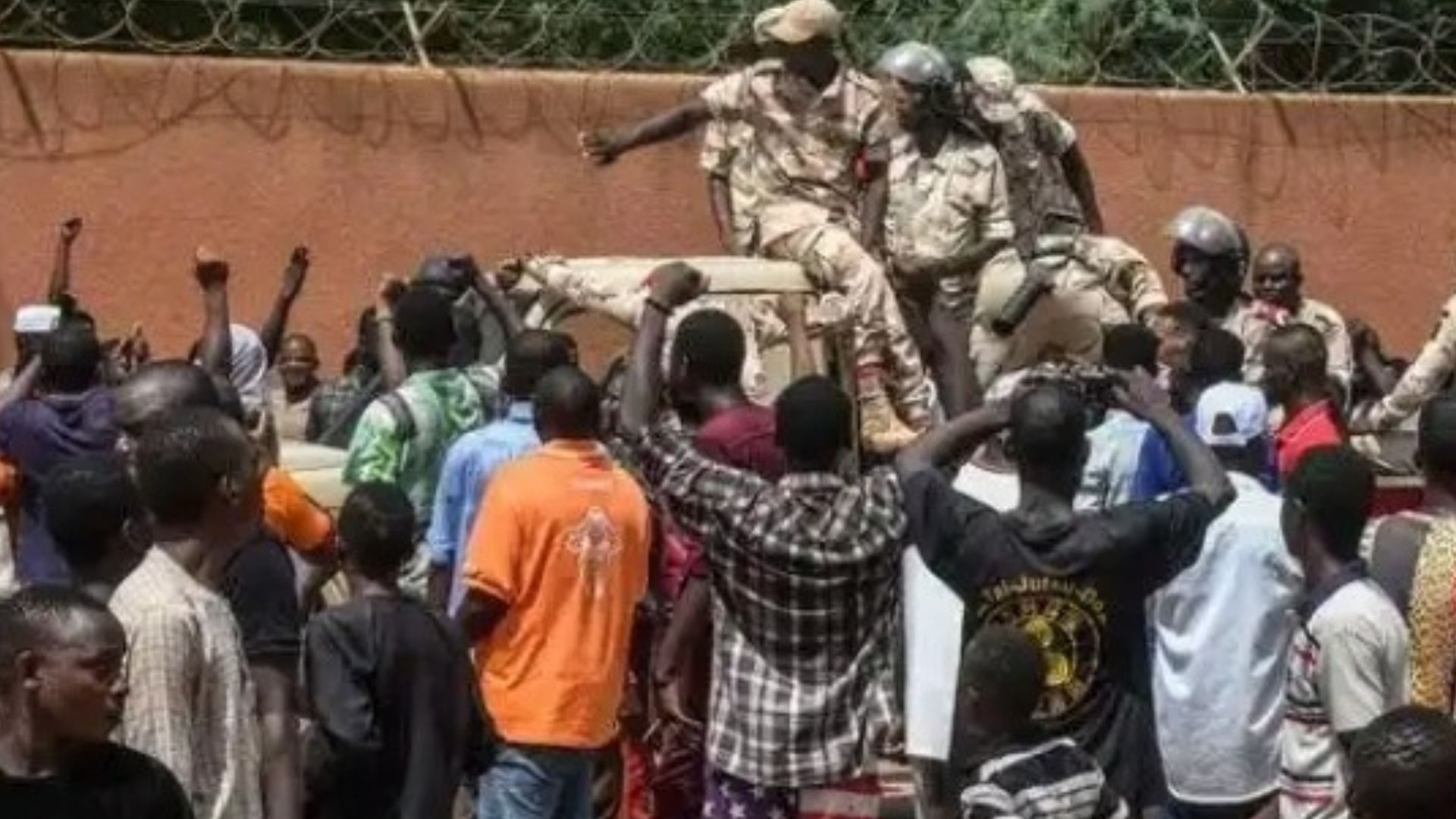
Niger’s military junta announced on Tuesday that it has released 50 individuals who had been imprisoned in connection with a failed coup attempt in 2010.
The decision marks a notable shift in the junta’s approach to political prisoners, as the country remains in a delicate transitional phase following the July 2023 military coup that ousted former President Mohamed Bazoum.
The group of 50, including former military officers, political figures, and civilians, had been detained for their alleged involvement in a failed attempt to overthrow the government of then-President Mamadou Tandja.
The coup attempt, which took place during the final years of Tandja’s presidency, was swiftly suppressed, and many of those involved were sentenced to lengthy prison terms.
The junta’s decision to free these individuals has raised questions about its broader intentions, especially as Niger faces increased pressure from international bodies, such as the Economic Community of West African States (ECOWAS) and the African Union, to return to civilian rule.
The junta, which has held power since Bazoum’s removal, has repeatedly rejected external calls for a swift restoration of democracy.
Niger’s spokesperson, Colonel Amadou Aboubacar, described the release as part of a “national reconciliation” effort, asserting that the move was in line with the junta’s commitment to addressing past political grievances.

“This decision demonstrates our commitment to unity and reconciliation, as we seek to move the country forward after years of political instability,” Aboubacar stated in a press briefing.
While the release has been welcomed by some as a step toward national healing, others remain cautious.
Critics argue that the junta’s political agenda may still be driven by the desire to consolidate power, with concerns that these gestures are strategically timed to ease tensions with both domestic and international audiences.
The individuals released on Tuesday are expected to be reintegrated into their communities, but it remains unclear whether they will play any significant role in Niger’s ongoing political landscape.
Some of the former detainees have previously voiced support for the coup that brought the current junta to power, which could further complicate the situation as the country grapples with its future political trajectory.
As Niger continues to navigate its post-coup realities, the international community will likely be watching closely, with particular attention on whether this release is a genuine step toward healing or a tactical maneuver aimed at appeasing critics without relinquishing control.
The junta’s next moves will be crucial in determining the country’s path forward as it balances internal pressures and international expectations.








 News2 days ago
Edo security operative escapes from kidnapper’s den, frees 2 others
- News2 days ago
Outrage as mortuary attendant caught using human leg as walking stick in Benue
- Special Features2 days ago
7 practical ways of purifying water safely at home
- Politics20 hours ago
APC support groups in Ondo reject State directive, back Tinubu ahead of 2027
- News2 days ago
APC accuses gov Adeleke of withholding LG salaries in Osun
- News2 days ago
Atiku meets Adamawa ADC stakeholders in Abuja ahead of 2027
- News2 days ago
JAMB officially releases Thursday’s UTME results, see how to check score
- Politics1 day ago
2027: ADC is only party capable to unseat Tinubu – Atiku




You must be logged in to post a comment Login