
Foreign Affairs
Islamist insurgents executed nearly 130 civilians in Niger since March – HRW

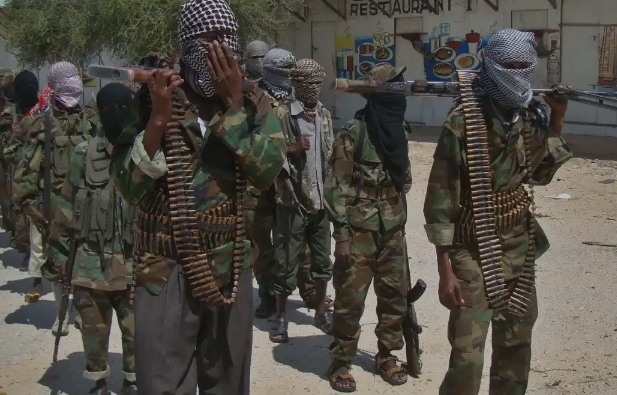
Nearly 130 people have been “summarily executed” in Niger in a wave of Islamist insurgent attacks since March, Human Rights Watch (HRW) has reported, highlighting the scale of violence engulfing the country despite military promises to restore security.
The rights group said the deadliest incident took place in June in the western Tillabéri region, where more than 70 worshippers were massacred inside a mosque during evening prayers. Survivors described scenes of horror as armed men stormed the building.
“There were bodies everywhere, one on top of the other,” a local woman, who lost three of her sons in the attack, told HRW investigators.
The report comes as a major blow to Niger’s ruling junta, which seized power in July 2023 after overthrowing President Mohamed Bazoum.
The generals had justified their coup in part by accusing Bazoum of failing to tackle Islamist violence, pledging instead to bring stability to the Sahel nation.
But according to HRW, citing figures compiled by the conflict monitoring group Acled, Islamic State (IS) fighters have killed some 1,600 civilians in Niger since the coup—underscoring the deteriorating security environment.
The Tillabéri region, which borders Mali and Burkina Faso, has long been a stronghold for IS-affiliated groups who exploit porous borders and weak state presence.

Civilians there have borne the brunt of the violence, with armed groups targeting villages, markets, and places of worship in a campaign of terror.
Human Rights Watch called on Niger’s authorities to do more to protect civilians and ensure accountability for atrocities.
“The junta came to power promising to end the bloodshed, but communities remain under siege,” the report said.
Regional analysts warn that Niger’s worsening crisis risks further destabilising the Sahel, already plagued by jihadist insurgencies and military takeovers in neighbouring Mali and Burkina Faso.
For families in Tillabéri, however, the concern remains immediate.
“We keep burying our loved ones, and no one comes to help us,” another resident told investigators.








 News2 days ago
Bandits murder 17 in Sokoto community attack
- Personalities Bios2 days ago
Who is Oghale Joseph? New CEO of PZ Cussons Nigeria
- News2 days ago
Kidnapped Kaduna schoolchildren, driver regain freedom after 36 days in captivity
- Crime Watch2 days ago
Court sentences 5 men to death for armed robbery, conspiracy
- News2 days ago
Nollywood Veteran actor, Janmole passes away
- News2 days ago
2 policemen killed as gunmen attack Soludo’s Chief of Staff convoy
- News2 days ago
PSC denies viral police recruitment shortlist, says it’s fake
- News2 days ago
I didn’t join APC because of Akwa Ibom deep seaport – Gov Eno











You must be logged in to post a comment Login