
Foreign Affairs
Namibia holds first national remembrance for Germany’s colonial genocide

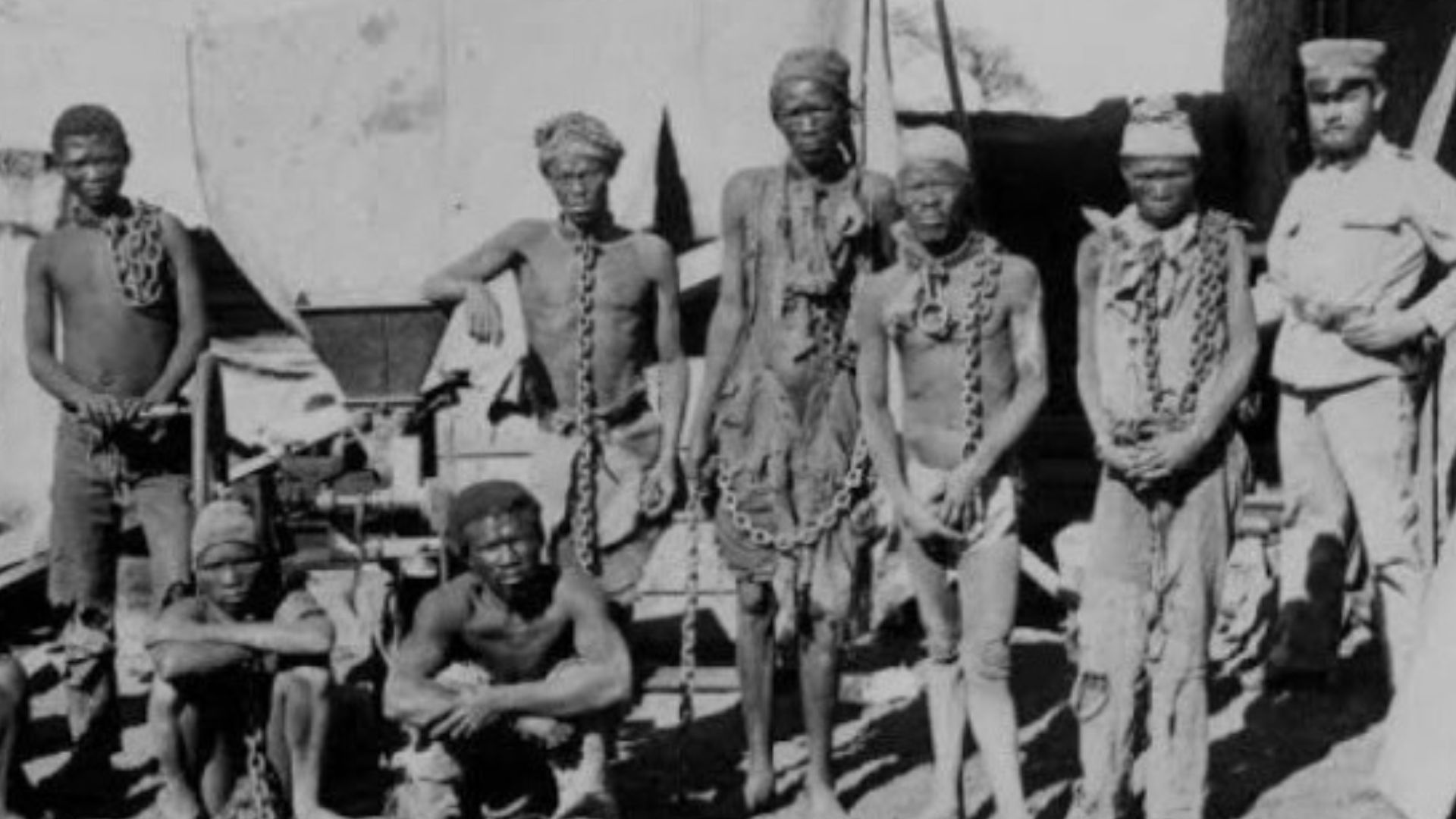
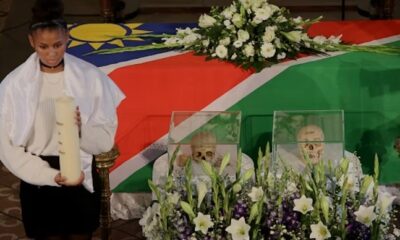
Namibia for the first time in its history is officially observing a national day of remembrance to honour the victims of what historians widely regard as the first genocide of the 20th century.
Dubbed “Germany’s forgotten genocide,” the mass killing of over 70,000 Africans by German colonial forces is being formally commemorated this Wednesday, more than a century after the atrocities were committed.
The genocide, which occurred between 1904 and 1908 in what was then known as German South West Africa, primarily targeted the Ovaherero and Nama peoples.
German colonial troops, responding to indigenous resistance against land and cattle seizures, carried out a campaign of extermination marked by massacres, forced displacement, and starvation.
Almost four decades before the Holocaust, Germany employed concentration camps and conducted brutal pseudoscientific experiments on African prisoners. These camps, such as the one on Shark Island, are considered by scholars as precursors to the Nazi-era death camps.
Prisoners were subjected to forced labour, starvation, abuse, and medical experiments, including skull measurements and sterilizations, in a grotesque attempt to support racist theories of European superiority.
Wednesday’s Genocide Remembrance Day comes after years of advocacy from descendants of the victims and sustained pressure on Germany to acknowledge and redress its colonial crimes. In 2021, Berlin formally recognized the events as genocide and pledged €1.1 billion ($1.2 billion) in aid over 30 years for reconstruction and development—a move critics said falls far short of actual reparations.

Speaking at the commemoration ceremony in Windhoek, President Hage Geingob called the day “a solemn milestone in our national memory,” adding, “We honour the resilience of our forebears, and we continue the quest for justice and recognition.”
Traditional leaders from the Ovaherero and Nama communities, many of whom have rejected Germany’s aid package as insufficient, used the occasion to renew calls for direct reparations and formal apologies from the German government to affected families and tribes.
Chief Vekuii Rukoro, a late prominent Herero leader, had once described Germany’s offer as “an insult to the memory of our people.”
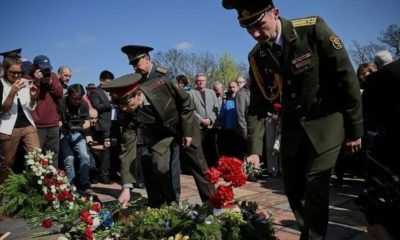
Germany’s ambassador to Namibia, Herbert Beck, laid a wreath at the memorial site in Windhoek and said, “Germany bears a historic and moral responsibility for the atrocities committed under colonial rule.
Today we stand with Namibia to remember the lives lost and to reaffirm our commitment to reconciliation.”
The legacy of the genocide continues to shape Namibia’s social and economic landscape, with land ownership still deeply skewed along racial lines—a direct consequence of colonial dispossession.
Historians and human rights groups argue that true reconciliation must include not only remembrance, but also restitution and systemic change.









 News1 day ago
Edo security operative escapes from kidnapper’s den, frees 2 others
- Special Features1 day ago
7 practical ways of purifying water safely at home
- News1 day ago
Outrage as mortuary attendant caught using human leg as walking stick in Benue
- News1 day ago
APC accuses gov Adeleke of withholding LG salaries in Osun
- News1 day ago
Atiku meets Adamawa ADC stakeholders in Abuja ahead of 2027
- Politics15 hours ago
APC support groups in Ondo reject State directive, back Tinubu ahead of 2027
- News1 day ago
JAMB officially releases Thursday’s UTME results, see how to check score
- Politics22 hours ago
2027: ADC is only party capable to unseat Tinubu – Atiku




You must be logged in to post a comment Login