
Uncategorized
Israel to ease Gaza blockade, allow limited food aid as ground assaults intensify

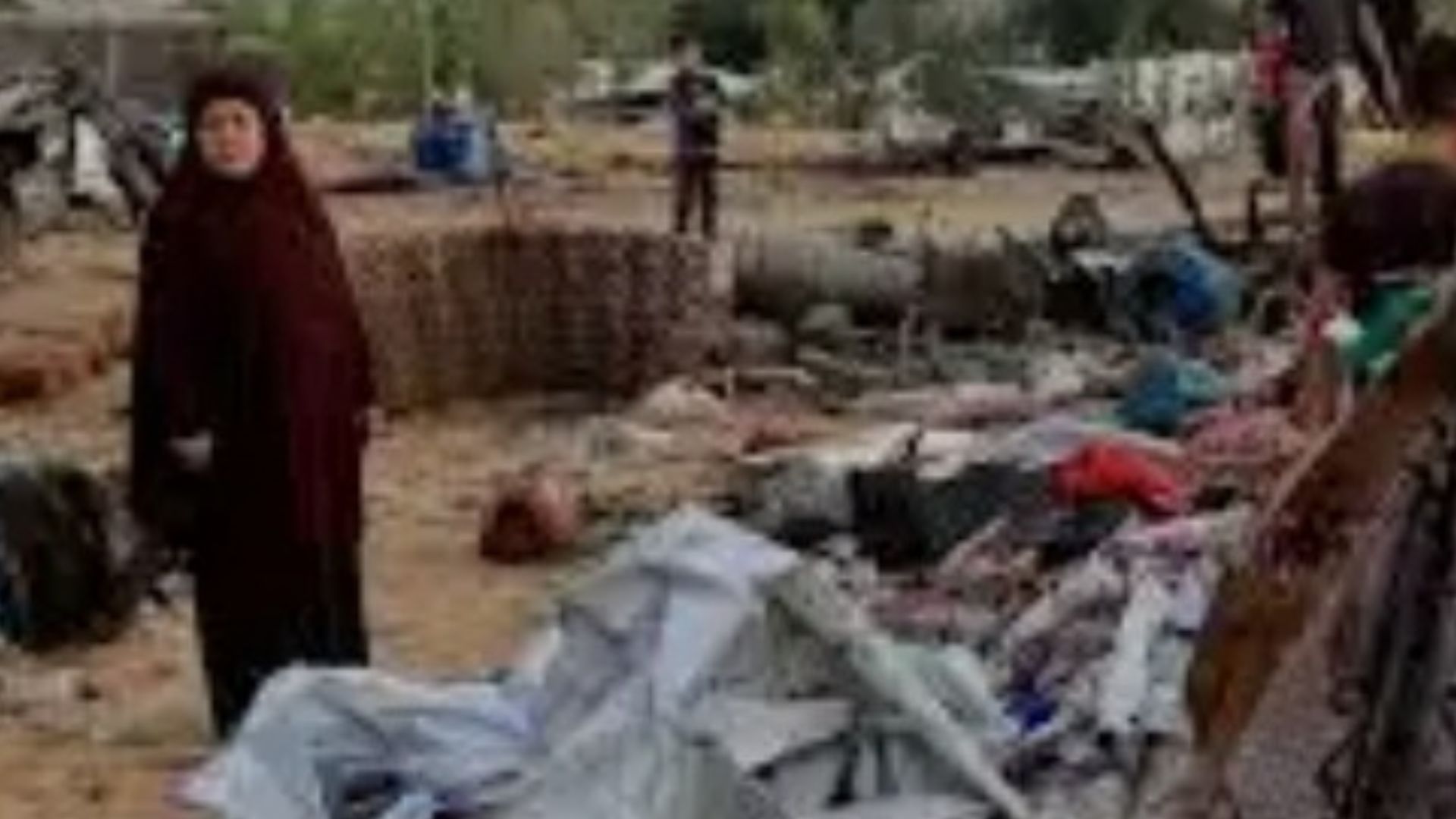
The Israeli government announced Sunday it will ease its months-long blockade on Gaza and permit limited amounts of food aid into the besieged Palestinian territory.
The announcement from Prime Minister Benjamin Netanyahu’s office came just hours after the Israel Defense Forces (IDF) said it had launched “extensive ground operations” in both the northern and southern regions of Gaza.
The decision marks a slight shift in Israel’s hardline stance, implemented in March, which largely sealed off humanitarian deliveries to Gaza. Aid agencies and international partners have warned repeatedly in recent weeks of the dire consequences of the blockade, including widespread malnutrition and the imminent threat of famine.
“Israel will allow a limited quantity of food shipments to enter Gaza under strict security oversight,” Netanyahu’s office stated, adding that “humanitarian considerations will be balanced with Israel’s security needs.”
The move follows increasing international criticism, including from the United Nations and key Western allies, over Israel’s restriction of aid and the mounting civilian toll of its military campaign. On Sunday, the Gaza Health Ministry reported that more than 130 Palestinians were killed overnight, bringing the week’s death toll into the hundreds.
Israel says the renewed ground operations are aimed at dismantling the remaining infrastructure of Hamas, the militant group that governs Gaza and which Israel blames for the October 2023 attacks that sparked the war. The IDF said its forces are operating in the Zeitoun neighborhood of Gaza City in the north, as well as areas around Rafah in the south.
Videos released by the military showed tanks rolling through densely damaged streets, accompanied by airstrikes and artillery fire. Palestinian officials said entire families have been buried under rubble, while emergency responders struggle to operate amid shortages of fuel and equipment.

“The situation is catastrophic,” said Dr. Hani al-Qassas, a surgeon at the European Hospital in southern Gaza. “We have no medicine, no food, and now we are surrounded by tanks. People are dying in the streets.”
Despite the announced easing of the blockade, humanitarian groups expressed caution, urging that any aid must be allowed to flow consistently and at scale to prevent further catastrophe.
“It’s not enough to let in a few trucks,” said a spokesperson for the World Food Programme. “We need sustained access and a full ceasefire to properly reach people in need.”
As the conflict enters its eighth month, there is no sign of an immediate end. The Netanyahu government remains under pressure from far-right coalition partners to deliver a decisive military victory, even as Israeli public opinion shows growing unease with the human cost and the future of post-war Gaza.
For Gazans, however, the toll remains unbearable.
“Even if food comes now, what about the people we’ve lost?” said Maha Abu Salim, a displaced mother of five in Khan Younis. “What about the homes destroyed? Will they ever stop?”
With ceasefire talks stalled and the military push intensifying, both sides brace for more bloodshed — even as the world calls for a path to peace.









 News1 day ago
NSITF prioritising AI impact on gig workers, platform economy – Faleye
- News2 days ago
4 NYSC members, soldier burnt to death in Adamawa road accident
- News2 days ago
Gunmen storm Kogi community, abduct woman, toddler in fresh attack
- Personalities Bios2 days ago
Who is Damilola Sonayon-James? The sustainability expert poised for Lagos deputy governorship
- News1 day ago
Atiku’s spokesman urges DSS to question Sunday Igboho over Oyo kidnapping claims
- Entertainment1 day ago
Why I struggles to commit to one woman – Flavour explains
- News1 day ago
Senate receives Tinubu’s nomination of Zainab Marwa for NDDC board seat
- News1 day ago
Gumen shoot Accord Party chairman in Osogbo













You must be logged in to post a comment Login