
Foreign Affairs
Trump signs executive order to expand deep-sea mining in U.S, international waters

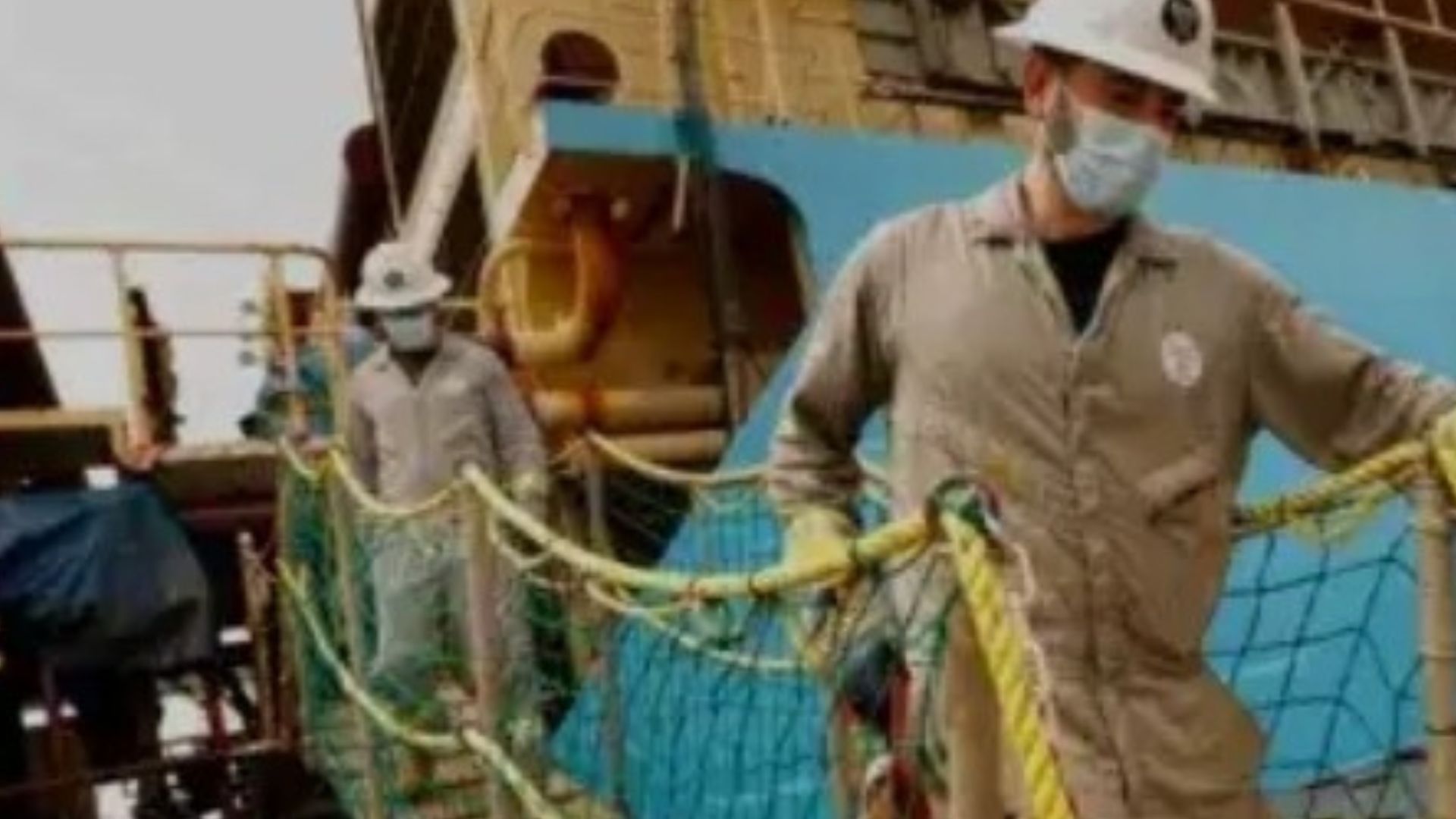
U.S Donald Trump has signed a controversial executive order aimed at significantly expanding deep-sea mining operations both within U.S. territorial waters and in international seas, drawing swift criticism from environmental groups and foreign governments.
The order, issued Thursday, directs federal agencies to expedite permits, fund new exploration initiatives, and bolster private-sector partnerships in a push to secure greater access to critical minerals found in the ocean floor.
These include rare earth elements, cobalt, and other materials vital to the aerospace, clean energy, and healthcare industries.
“America must not fall behind in the race for critical resources,” Trump said in a statement.
“This order ensures that we will harness the full potential of our deep-sea assets to fuel our economy, strengthen national security, and reduce dependence on foreign suppliers.”
At the heart of the initiative are polymetallic nodules — potato-sized rock formations found thousands of meters below the ocean’s surface.
Rich in manganese, cobalt, nickel, and other minerals, these nodules are seen by some industry leaders as a key to powering the next generation of batteries, medical devices, and defense technologies.
However, the move has ignited fresh debate over the environmental risks of exploiting the deep ocean, one of the least understood and most fragile ecosystems on the planet. Scientists warn that mining could disrupt habitats, threaten biodiversity, and create long-lasting damage to marine life.

Many nations and advocacy groups oppose deep-sea mining in international waters, urging caution until more comprehensive research can assess the full impact of such activities.
The International Seabed Authority (ISA), which oversees mineral-related activities in the high seas, has yet to finalize global regulations for commercial exploitation.
“This is a reckless move that prioritizes short-term gains over long-term planetary health,” said Dr. Lina Vasquez, a marine ecologist with the Ocean Preservation Network.
“We simply do not know enough about the deep ocean to justify industrial-scale disruption.”
The executive order also tasks the U.S. Navy and NOAA (National Oceanic and Atmospheric Administration) with expanding their roles in seabed mapping and exploration, signaling a potential overlap of national security and commercial interests in deep-sea operations.
Critics argue the timing and scope of the order could undermine international efforts to develop a unified regulatory framework and trigger geopolitical tensions over undersea resources.
Despite the backlash, proponents of the plan claim that with proper safeguards, deep-sea mining could offer a more ethical and stable source of minerals than current terrestrial mining operations, which are often associated with labor abuses and environmental degradation.
The administration’s push to capitalize on deep-sea resources reflects a broader trend in the global race to secure critical minerals — a competition that’s only expected to intensify in the coming years.





 News1 day ago
NSITF prioritising AI impact on gig workers, platform economy – Faleye
- News2 days ago
Gunmen storm Kogi community, abduct woman, toddler in fresh attack
- Politics2 days ago
Three former Osun Lawmakers dump APC
- News2 days ago
4 NYSC members, soldier burnt to death in Adamawa road accident
- Personalities Bios2 days ago
Who is Damilola Sonayon-James? The sustainability expert poised for Lagos deputy governorship
- News1 day ago
Atiku’s spokesman urges DSS to question Sunday Igboho over Oyo kidnapping claims
- Entertainment1 day ago
Why I struggles to commit to one woman – Flavour explains
- News1 day ago
Senate receives Tinubu’s nomination of Zainab Marwa for NDDC board seat












You must be logged in to post a comment Login