
Foreign Affairs
Argentina senate rejects Milei’s supreme court nominees in major political setback

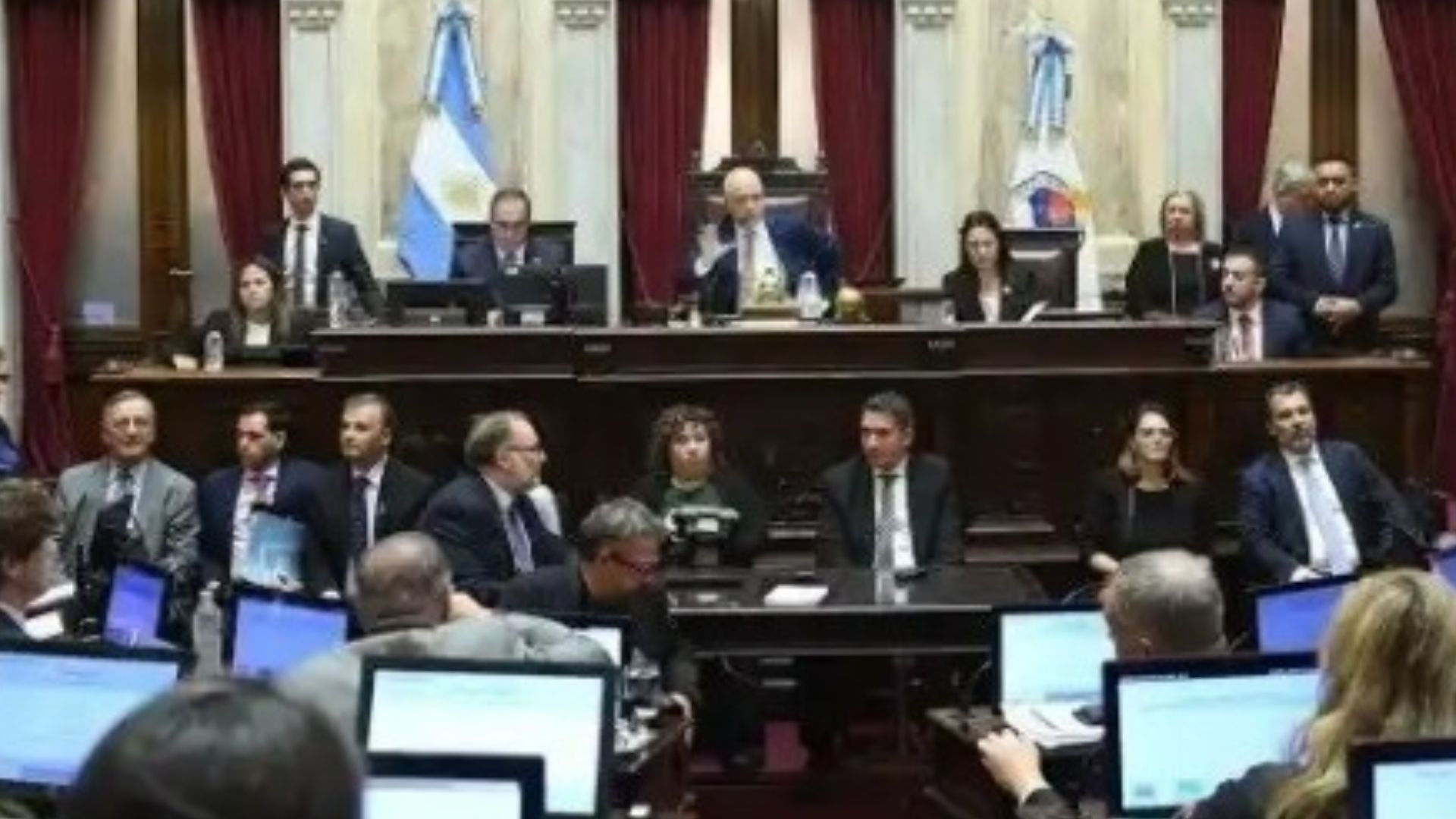
In a major political setback for President Javier Milei, Argentina’s Senate on Thursday rejected two controversial Supreme Court nominations proposed by the libertarian leader, dealing a blow to his efforts to reshape the nation’s judiciary.
The upper chamber voted down the appointments of federal judge Ariel Lijo and legal scholar Manuel García-Mansilla, both of whom had been nominated by Milei via presidential decree in February. The decision followed weeks of fierce debate and mounting criticism from jurists, opposition parties, human rights organizations, and members across the political spectrum.
Milei, who campaigned on a promise to dismantle Argentina’s “political caste,” lashed out at lawmakers after the vote, accusing them of politicizing the judicial process. “Once again, the old politics prioritizes its privileges over the institutional transformation this country desperately needs,” the president wrote on social media. “They have rejected two highly qualified nominees solely to obstruct our reforms.”
The Senate’s rejection highlights growing tensions between Milei and a fragmented but increasingly assertive Congress, where the president’s party holds a minority. Despite his aggressive push to implement sweeping libertarian reforms, Milei has struggled to win over lawmakers on key issues.
Critics of the nominations had raised concerns over both the legality of Milei’s decree and the qualifications of the nominees. Lijo, a sitting federal judge, has long been a controversial figure in Argentine judicial circles, with ties to past political scandals. García-Mansilla, a conservative legal academic, was criticized for his limited courtroom experience and hardline constitutional views.
“The nominations lacked the transparency and institutional rigor required for appointments to the highest court in the land,” said Senator Guadalupe Tagliaferri, a centrist legislator who voted against the picks. “This isn’t about ideology — it’s about preserving the credibility and independence of our judiciary.”

Human rights groups also voiced alarm over the nominations, particularly Lijo’s track record in high-profile corruption cases and García-Mansilla’s academic writings on civil liberties. The Center for Legal and Social Studies (CELS) warned earlier this year that the appointments risked “further eroding public trust in the judiciary.”
Milei’s administration has not yet indicated whether it will put forward new candidates or seek a legal workaround. However, political observers say the defeat marks a serious test of the president’s ability to govern without congressional majorities.
“This is the first real institutional check on Milei’s power,” said political analyst María Esperanza Casullo. “He’s discovering that outsider rhetoric and decrees can only go so far in a democratic system that still requires negotiation and consensus.”
With the court currently operating with one vacancy, and Justice Juan Carlos Maqueda set to retire later this year, pressure is mounting on the executive and legislative branches to find common ground on future appointments.
For now, though, Milei’s push to leave his mark on the Supreme Court appears stalled — and his broader political project faces an uncertain path forward.







 News2 days ago
DSS DG Oluwatosin Ajayi honoured With NUJ Man of the Year Award
- News2 days ago
All Saints Catholic Church Honours Comrade Ike with 2026 Humanitarian and Service Award
- News17 hours ago
Benue intensifies disease surveillance after doctor’s Lassa Fever death
- Crime Watch2 days ago
Two grandfathers nabbed for supplying drugs to secondary school students – NDLEA
- News2 days ago
INEC announces winners of by-elections in Enugu, Rivers, Ondo, Kano, other states(FULL LIST)
- Entertainment2 days ago
Peller pays bride price for Jarvis ahead of traditional marriage ceremony
 News16 hours ago
Panic in Lagos Market after suspected IED explosion injures one
- News6 hours ago
47 hostages regain freedom as troops raid terrorist hideout












You must be logged in to post a comment Login