
Personalities Bios
Organic endorsement: Gov Bago’s record and the future of Niger state


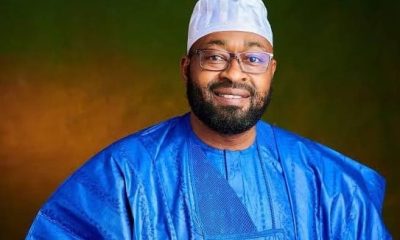
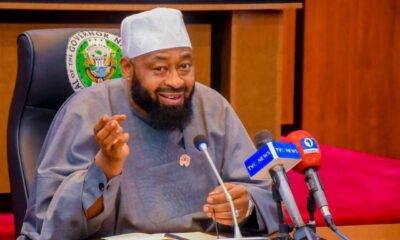
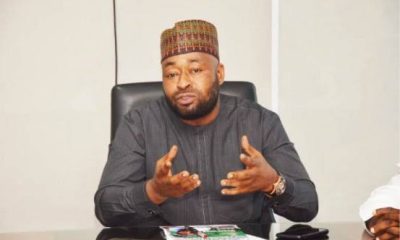
Umaru Bago has, in recent years, emerged as one of Nigeria’s most closely watched state leaders, building a reputation anchored on results rather than rhetoric.
Since assuming office in May 2023, his administration has steadily attracted attention for its practical approach to governance and its focus on long-term impact.
At a time when public praise is often engineered, much of the recognition surrounding his leadership appears to stem from visible efforts to reposition Niger State for economic growth and stability.
Born on February 22, 1974, in Minna, Bago’s journey into public service reflects a blend of academic preparation and professional experience.
He attended Marafa Primary School and later Federal Government College, Jos, before earning a degree in Political Science from Usman Danfodio University.
Determined to deepen his expertise, he went on to secure multiple postgraduate qualifications, including a diploma from the Federal University of Technology, Minna, an MBA from Ambrose Alli University, and a master’s degree in finance from University of Calabar.
His academic exposure also extended internationally, with executive training at University of Cambridge.
Before venturing fully into politics, Bago built a career in banking, working with institutions such as United Bank for Africa and First City Monument Bank, where he rose to managerial level.
This background has often been cited as influencing his governance style, particularly his emphasis on financial discipline and structured economic planning.
His political journey began in 2007, but it was his election to the House of Representatives in 2011 that marked his rise to national prominence.
Representing Chanchaga Federal Constituency, Bago spent over a decade in the National Assembly, where he chaired key committees and participated actively in legislative debates.
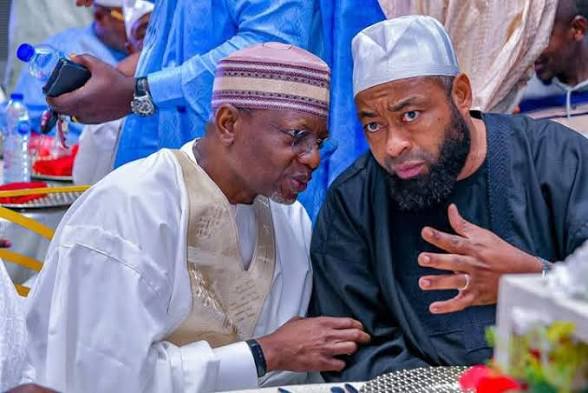
He also contested for the Speakership of the House in the 9th Assembly, finishing behind Femi Gbajabiamila, a move that underscored his growing influence within the political space.
In 2023, Bago clinched the governorship of Niger State under the platform of the All Progressives Congress, defeating his closest rival, Isah Liman Kantigi.
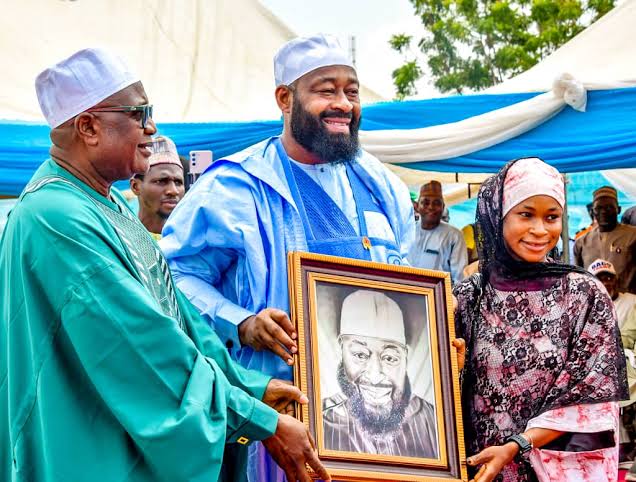
Since then, his administration has focused heavily on transforming the state’s economic base, with agriculture taking centre stage.

His vision to turn Niger into a leading agricultural hub has attracted attention from investors and policymakers, positioning the state as a key player in Nigeria’s food security strategy.
Beyond agriculture, Bago has demonstrated a commitment to infrastructure renewal and continuity in governance.
Rather than abandoning projects initiated by previous administrations, including that of Abubakar Sani Bello, his government has prioritised completing and improving them.
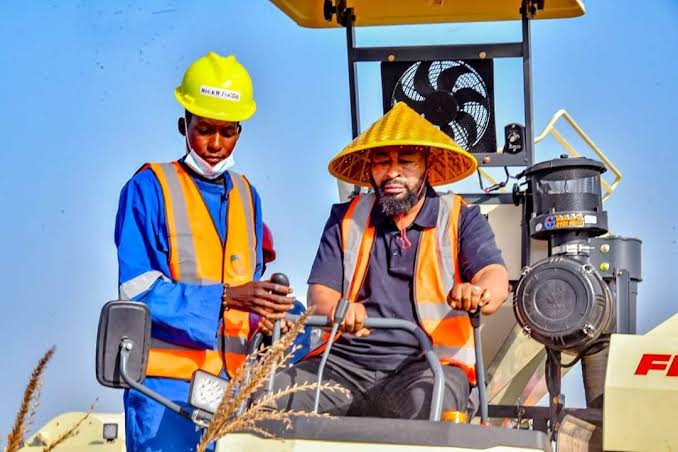
This approach has been widely interpreted as a sign of administrative discipline and a departure from the cycle of waste often associated with political transitions.
His leadership philosophy appears rooted in practical service delivery. Efforts in road construction, urban development, and rural support programmes reflect a focus on improving everyday life for citizens.
At the same time, policies aimed at strengthening security and boosting local enterprise suggest a broader strategy to stabilise and grow the state’s economy.
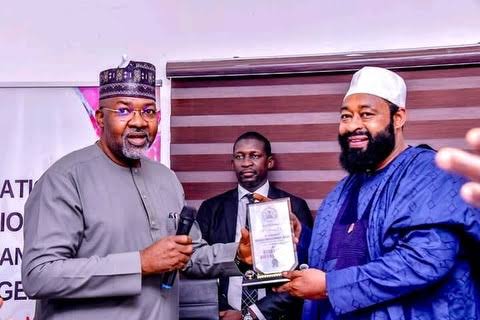
Another defining feature of his administration is the emphasis on teamwork. With Deputy Governor Yakubu Garba and a team of commissioners and advisers, Bago has built a structure designed to drive coordinated policy implementation.
This collaborative approach reinforces the idea that governance is most effective when supported by capable hands across different sectors.
Outside formal governance, Bago has also maintained a record of philanthropy, including educational support initiatives such as sponsoring examination forms for students and providing relief materials during difficult periods like the COVID-19 pandemic. These actions have contributed to his image as a leader attentive to grassroots needs.
Politically, he has cultivated a style that balances ambition with restraint, favouring initiatives with long-term value over short-term applause.
For many observers, this consistency is what defines his leadership. Rather than relying on grand declarations, his administration has focused on aligning promises with tangible outcomes.
As his tenure continues, supporters argue that Bago represents a model of leadership centred on continuity, economic vision, and people-focused governance.
In a political climate often dominated by optics, his approach offers a contrasting narrative, one that prioritises substance, efficiency, and measurable progress.








 News2 days ago
Benue intensifies disease surveillance after doctor’s Lassa Fever death
 News2 days ago
Panic in Lagos Market after suspected IED explosion injures one
- News17 hours ago
NSITF–Rand mutual partnership to boost social protection across Africa, says Faleye
- Personalities Bios2 days ago
Meet Prof. Oluwatoyin Ogundipe, former UNILAG VC now leading NUC’s governing board
- News2 days ago
Judge rejects recusal request, remands Sowore in custody
- Entertainment2 days ago
Mummy Wa explains why marriage has not happened yet
- News19 hours ago
IGP issues tough sanctions over police presence on social media
- Foreign Affairs2 days ago
Starmer bows out as British Prime Minister










You must be logged in to post a comment Login