
Foreign Affairs
US, Iran sign pact to extend ceasefire, ease Strait of Hormuz tensions

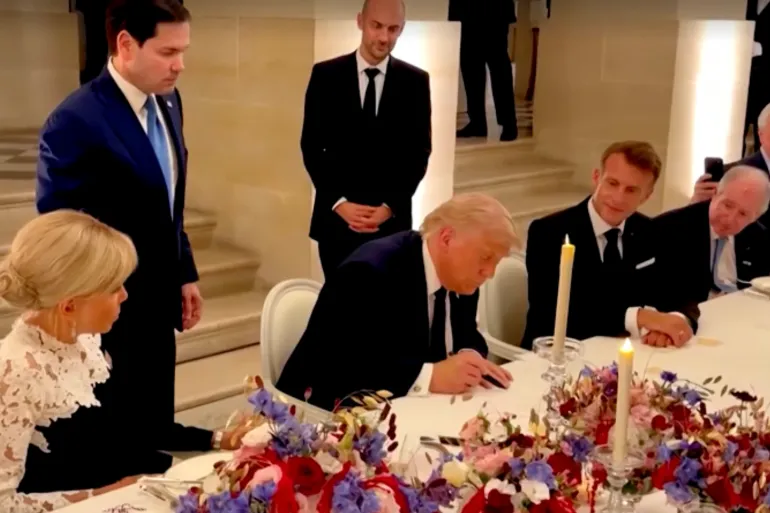
The United States and Iran have formally signed a digital memorandum of understanding that extends their ceasefire agreement and opens the path toward the potential reopening of the Strait of Hormuz, a key global maritime corridor.
Iran’s Ministry of Foreign Affairs stated that the agreement is now in effect. Ministry spokesperson Esmaeil Baghaei described it as the start of a closely monitored implementation stage, indicating that both sides will oversee how the deal is carried out moving forward.
According to both Iranian and US accounts, the deal—reportedly signed at Versailles by US President Donald Trump—extends the ceasefire for 60 days while laying the groundwork for broader negotiations on Iran’s nuclear programme and the gradual easing of sanctions.
The agreement includes provisions for Iran to gradually reopen the Strait of Hormuz, while the United States moves toward lifting restrictions on Iranian ports and easing selected sanctions. Both sides have also agreed to continue discussions on broader regional and economic issues.
Iran, however, has drawn a clear line, insisting that its missile programme remains non-negotiable and that its defence capabilities will not be part of any talks. Tehran has also warned it will closely monitor US compliance “without leniency,” signalling deep mistrust despite the diplomatic breakthrough.

While the White House has confirmed the signing, analysts note that the agreement is not a final peace deal but an interim framework intended to stabilise tensions and create space for further negotiations.
The development has already sparked political debate in Washington, where critics warn that the deal could be perceived as overly lenient toward Tehran. The Trump administration, however, insists the memorandum is a strategic step toward preventing nuclear escalation rather than a concession.
Iran, on its part, has framed the agreement as evidence of US failure to achieve its objectives, even as it prepares to engage in further negotiations over sanctions relief and nuclear oversight.
With the Strait of Hormuz playing a vital role in global energy supply chains, the success or failure of the next 60 days of implementation is likely to have far-reaching economic and geopolitical consequences.










 News23 hours ago
Benue intensifies disease surveillance after doctor’s Lassa Fever death
- News2 days ago
All Saints Catholic Church Honours Comrade Ike with 2026 Humanitarian and Service Award
- Entertainment2 days ago
Peller pays bride price for Jarvis ahead of traditional marriage ceremony
 News21 hours ago
Panic in Lagos Market after suspected IED explosion injures one
- News1 day ago
Judge rejects recusal request, remands Sowore in custody
- News12 hours ago
47 hostages regain freedom as troops raid terrorist hideout
- Entertainment1 day ago
Mummy Wa explains why marriage has not happened yet
- Personalities Bios20 hours ago
Meet Prof. Oluwatoyin Ogundipe, former UNILAG VC now leading NUC’s governing board












You must be logged in to post a comment Login