
News
Nigeria cannot win war on insecurity without overhauling military funding – Betara

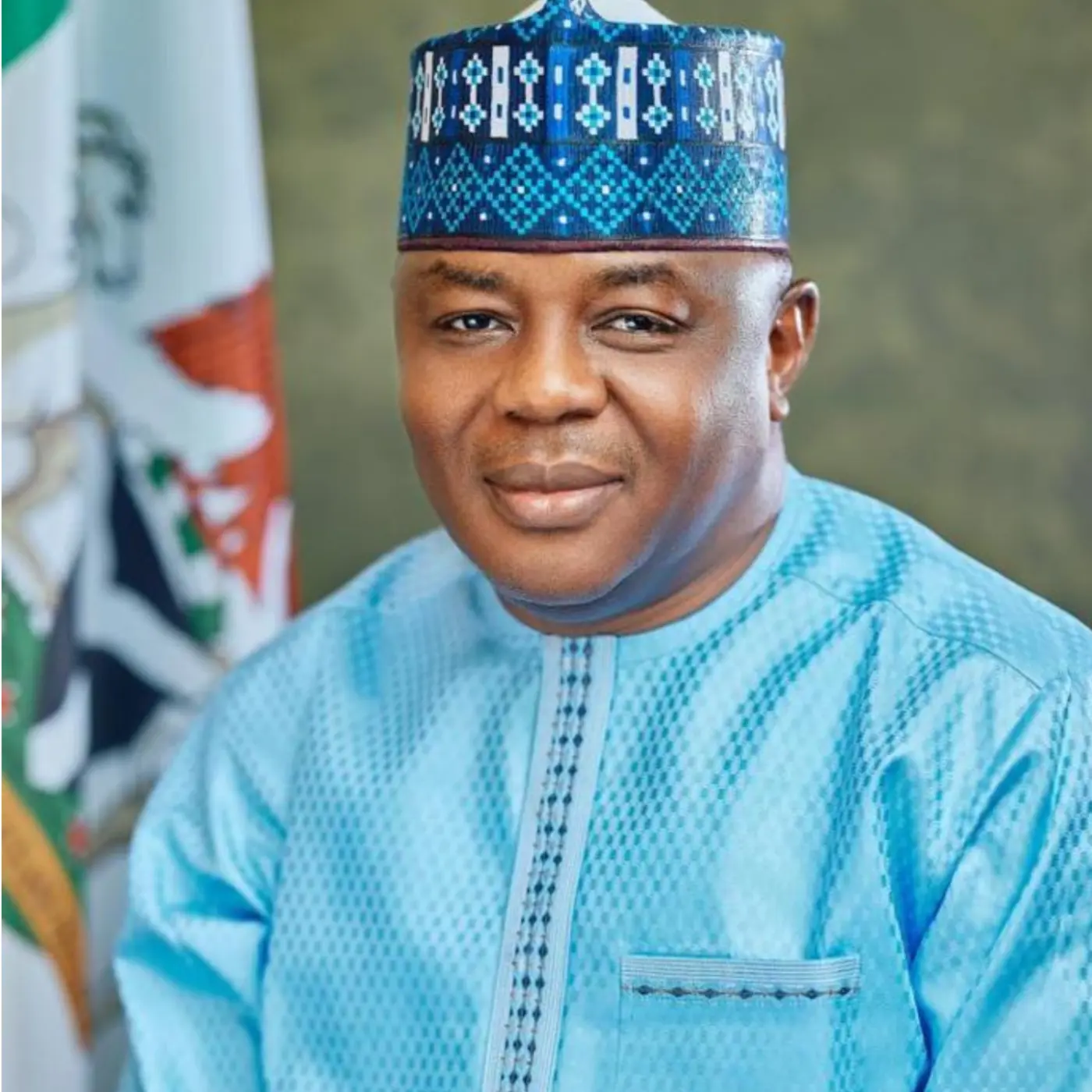
Former Chairman of the House Committee on Army, Hon. Muktar Betara (APC, Borno), has raised serious concerns over the persistent underfunding of Nigeria’s security institutions.
He warned that without a complete restructuring of the country’s military financing and procurement systems, the fight against insurgency and banditry will remain an uphill battle.
Betara made the remarks while representing the North-East during a special House of Representatives debate on national security. He noted that although the defence sector received a ₦1.3 trillion allocation in the 2025 budget, the pattern of expenditure remains “disturbingly skewed,” limiting the effectiveness of ongoing security operations.
“The Air Force has no capital budget at all — only recurrent. Out of the ₦1.2 trillion recurrent allocation, ₦900 billion is overhead. How do you expect them to procure equipment, aircraft or technology?”he asked.
Betara said long-standing concerns raised during his tenure as committee chairman still persist.
“There are issues with military procurement — very serious issues — and if we do not address them, the insecurity challenge will continue,”he warned.
Former Deputy Speaker Hon. Ahmed Idris Wase said no amount of funding will produce results if the recruitment system continues to admit criminals into the security forces.
“There was a time Boko Haram members appeared on the Army recruitment list. Armed robbers and gang members were also found on lists for the Army and Police,”he revealed.

He urged lawmakers to stop recommending unfit candidates for security jobs.
“If you put criminals in uniform, you cannot solve the insecurity problem. We must recommend people of integrity,” Wase said.
Representing the North-West, Hon. Sada Soli (APC, Katsina) described insecurity in the zone as a structural and environmental crisis, not just criminality.
“A purely kinetic or military response will not work. We must address land issues, climate pressures and rebuild trust in state institutions,”he argued.
Hon. Kafila Kogbara (APC, Lagos) insisted that state governments must take greater responsibility for security.
“The President cannot be in all 36 states. Governors must do more,”she said.
Kogbara also advocated a national safe-schools framework, compulsory deployment of security teams in high-risk schools, CCTV coverage, early-warning sensors and stronger communication links with security agencies.







 Crime Watch18 hours ago
Police recover bodies of two kidnap victims, arrest suspect in Edo
- News17 hours ago
Jigawa Assembly suspend council speaker over alleged APC anti-party activity
- News1 day ago
Julius Berger completes Bodo-Bonny road
- News18 hours ago
Daily Times Publisher pledges N100m support for NUJ FCT Multipurpose hall project
- News17 hours ago
NDC chieftain Omo-Agege says he supports Obi but still endorses Tinubu reforms
- Personalities Bios1 day ago
Bart O. Nnaji: A trailblazer in engineering, technology, and national development
- News18 hours ago
Gunmen abduct Adelabu’s sister, children in Ibadan
- News1 day ago
Tinubu returns to Abuja after Lagos political tour, Eid celebrations








You must be logged in to post a comment Login