
Foreign Affairs
Mali faces tension as junta’s political ban faces public test

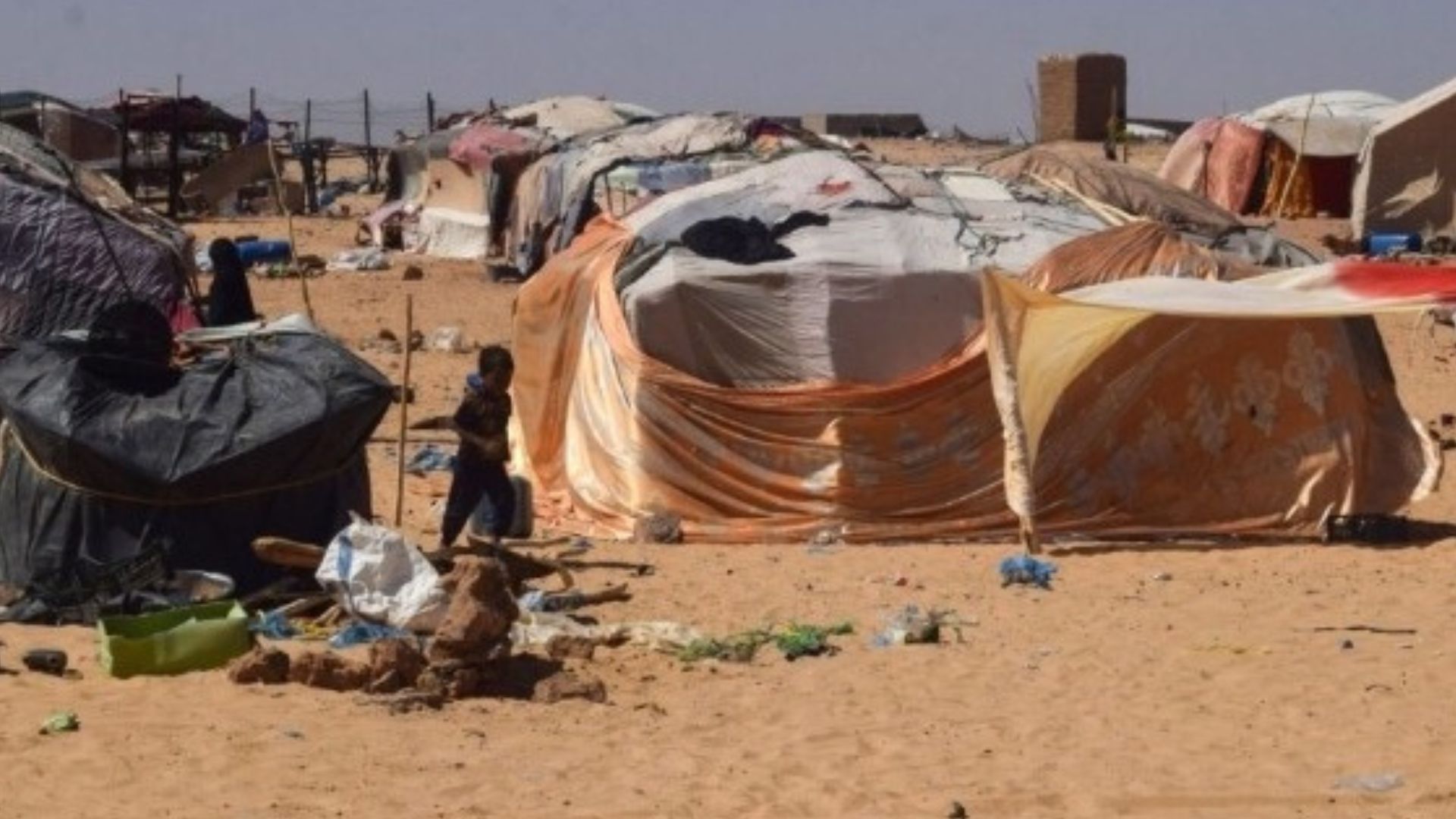
An attempt by Mali’s military-led government to quash growing public dissent is set for a critical test on Friday, as activists and opposition groups defy a sweeping new decree banning all political activity.
The announcement, made by authorities on Wednesday, suspends all operations of political parties and related organisations “until further notice,” citing the need to preserve public order.
The junta, which seized power in a 2021 coup and has since delayed elections multiple times, claims the move is necessary to ensure national stability.
“The activities of political parties and associations of a political nature are suspended across the national territory,” a government spokesperson said during a televised statement.
The measure was introduced just days before planned protests, sparking accusations that the regime is seeking to stifle criticism over deteriorating security and economic conditions.
Critics argue the ban is unconstitutional and marks another step toward authoritarian rule. Civil society leaders and several opposition figures have called for demonstrations in the capital, Bamako, and other cities on Friday, in defiance of the junta’s order.
Some have expressed concern that the ban could deepen political unrest and provoke a harsher crackdown on dissent.

“Silencing political voices will not solve Mali’s crisis. It will only make it worse,” said Adama Ben Diarra, a prominent opposition figure. “We call on all Malians who love democracy to join us in peaceful protest.”
Mali has been under military rule since August 2021, when Colonel Assimi Goïta led a second coup in less than a year. Since then, the junta has postponed promised elections, tightened its grip on power, and distanced the country from traditional allies, including France and West African regional bloc ECOWAS.
The government has instead pivoted toward non-traditional security partners, including the Russian paramilitary group Wagner, a move that has drawn international criticism.
Despite promises to restore order, the military has struggled to contain jihadist violence, particularly in the north and central regions of the country.
The latest decree banning political activity has been met with alarm by human rights groups, who warn it could lead to further suppression of civil liberties.
“Suspending political activity undermines the democratic process and risks fueling more instability,” said Corinne Dufka, a West Africa expert formerly with Human Rights Watch.
As Friday’s protests loom, all eyes will be on the streets of Bamako. Whether the public heeds the call to mobilize — and how the military responds — may determine the junta’s next move in its increasingly contested hold on power.




 News2 days ago
Bandits murder 17 in Sokoto community attack
- Personalities Bios2 days ago
Who is Oghale Joseph? New CEO of PZ Cussons Nigeria
- News2 days ago
Kidnapped Kaduna schoolchildren, driver regain freedom after 36 days in captivity
- Crime Watch2 days ago
Court sentences 5 men to death for armed robbery, conspiracy
- News2 days ago
Nollywood Veteran actor, Janmole passes away
- News2 days ago
2 policemen killed as gunmen attack Soludo’s Chief of Staff convoy
- News2 days ago
PSC denies viral police recruitment shortlist, says it’s fake
- News2 days ago
I didn’t join APC because of Akwa Ibom deep seaport – Gov Eno











You must be logged in to post a comment Login