
Foreign Affairs
India to launch long-delayed census in 2 phases, set for completion in 2027

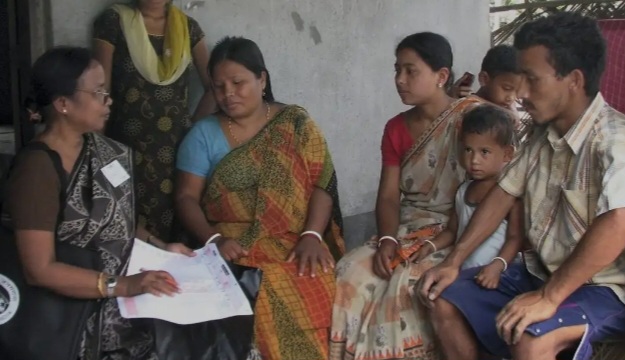
After an unprecedented six-year delay, the Indian government has announced that it will finally undertake the country’s decennial population census, now scheduled to conclude in 2027.
The Ministry of Home Affairs confirmed on Wednesday that the massive administrative exercise will be carried out in two phases, with March 1, 2027, designated as the official reference date.
The last census was conducted in 2011, and the 2021 edition—originally set to be India’s 16th national count—has been repeatedly postponed.
Prime Minister Narendra Modi’s government initially blamed the disruptions caused by the Covid-19 pandemic, but critics have since voiced concern over the extended delay, questioning why preparations could not resume once restrictions were eased.
India’s census is among the most complex and extensive data-gathering operations in the world. It forms the bedrock of numerous policy decisions, providing essential demographic data for the allocation of welfare benefits, federal funding, infrastructure planning, and the redrawing of electoral boundaries.
The government has yet to release a full schedule or detailed methodology for the two-phase operation. However, officials say that the process will involve substantial digitization and modernization of data collection methods.
Pilot studies and digital infrastructure upgrades have been underway for the past year.
“This census is not just overdue—it is critical,” said Dr. Ayesha Ranjan, a policy analyst at the Indian Council for Social Research.
“Without up-to-date population data, we’re operating in the dark when it comes to healthcare, education, and rural development.”

Some opposition leaders have accused the government of dragging its feet for political reasons, suggesting that demographic shifts revealed in the data could influence debates over representation and resource distribution.
Others fear the delay may affect India’s ability to address urgent challenges like urban migration, poverty, and climate resilience.
Despite the controversy, officials insist that the 2027 timeline reflects a cautious and comprehensive approach.
“This is about getting it right,” a senior official in the Home Ministry told reporters.
“The size and diversity of India’s population demand meticulous planning.”
India’s population, officially estimated at over 1.4 billion, surpassed China’s last year to become the world’s most populous nation. The upcoming census will be the first to document this demographic milestone.
As the country gears up for the mammoth task, administrators across states are being briefed to prepare for the logistical and technical challenges of counting every individual—from the Himalayan villages of Ladakh to the urban sprawl of Mumbai and the tribal regions of the northeast.
With a new timeline now in place, all eyes will be on how the world’s largest democracy executes one of its most important data exercises—albeit years later than planned.











 News2 days ago
ISWAP claims responsibility for fresh attacks on troops
- Special Features23 hours ago
7 practical ways of purifying water safely at home
- Crime Watch2 days ago
VDM: Court grants bail to crypto entrepreneur Blord, restricts travel
- News2 days ago
Gunmen kidnap passengers along Kogi highway
- News2 days ago
Breaking…Tinubu signs 2026 budget of ₦68.32trn into law
- News2 days ago
First UTME 2026 results drop today — JAMB confirms
- News19 hours ago
APC accuses gov Adeleke of withholding LG salaries in Osun
- Business2 days ago
Dangote set to sell 10% stake in $20bn refinery via Pan-African IPO






You must be logged in to post a comment Login