
Special Features
Top 10 most populated states in Nigeria

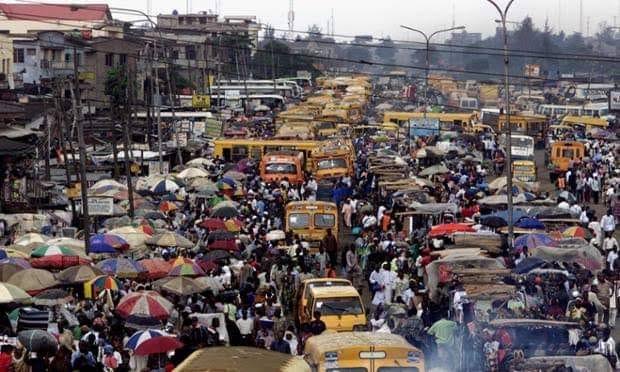
Nigeria, the land of vibrant cultures, immense natural wealth, and a resilient spirit, is more than just a country, it is a continent within a country.
Known as the “Giant of Africa,” Nigeria stands tall as the most populous nation on the continent and the seventh most populated in the world, with an estimated population surpassing 200 million people.
Its demographic strength, coupled with its cultural diversity, economic influence, and political significance, makes it a cornerstone of African affairs.
Strategically located in West Africa, Nigeria shares borders with Benin Republic to the west, Niger Republic to the north, Chad to the northeast, and Cameroon to the east, with its southern coast beautifully lined by the Atlantic Ocean and the Gulf of Guinea.
This geographical positioning has long made Nigeria a hub for trade, migration, and cultural exchange.
The country operates as a federal republic made up of 36 states and the Federal Capital Territory (FCT), Abuja.
While Abuja serves as the nation’s administrative and political center, Lagos, the former capital, remains the economic and population epicenter, attracting millions seeking better opportunities.
Nigeria’s cultural landscape is a rich mosaic, shaped by over 250 ethnic groups and more than 500 indigenous languages.
Among the most prominent ethnic groups are the Hausa-Fulani in the north, the Yoruba in the southwest, and the Igbo in the southeast.
Despite these distinctions, the collective Nigerian identity continues to evolve through shared experiences in politics, entertainment, entrepreneurship, and innovation.
The country is richly endowed with a range of natural resources, most notably crude oil and natural gas, which have formed the backbone of its economy for decades.
Additionally, Nigeria’s soft power shines through its globally acclaimed music industry and Nollywood, one of the largest film industries in the world by volume.
Since gaining independence from British colonial rule on October 1, 1960, Nigeria has experienced a complex political journey involving military coups, civil unrest, and democratic transitions.
Its return to civilian rule in 1999 marked a new chapter of relative stability and continuous democratic governance, positioning it as a regional leader in West Africa and a major voice in continental affairs.
However, Nigeria’s massive population is not evenly spread across its vast territory. Internal migration, urbanization, security concerns, and economic opportunities have created uneven demographic trends, with some states experiencing significant surges in population.
Below is a deep look into the ten most populated states in Nigeria, highlighting the unique characteristics that contribute to their growth.
1. Kano State – 16.3 Million
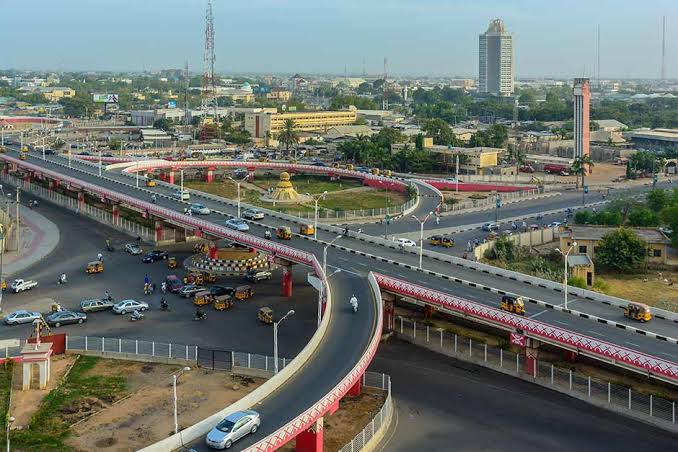
Nestled in the heart of northern Nigeria, Kano State remains one of the country’s most vibrant economic and cultural centers.
A historical city with deep Islamic roots, Kano has long been a hub for trade, agriculture, and manufacturing, especially in textiles and leather.
Though once Nigeria’s most populous state, it currently ranks second, continuing to play a pivotal role in the northern region’s development.
2. Lagos State – 15.8 Million
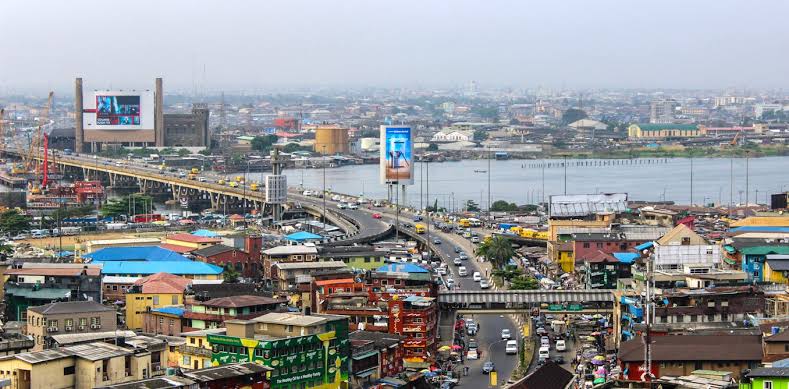
Often described as the economic heartbeat of Nigeria, Lagos is a bustling metropolis situated along the Atlantic coast.
It is the smallest state by land area but the most urbanized and densely populated.
From a population of under 8 million in 2006, Lagos has ballooned to an estimated 21 million residents today, driven by rural-to-urban migration, economic opportunity, and infrastructural development.
It is the nation’s commercial capital and a magnet for innovation, entertainment, and finance.
3. Katsina State – 9.3 Million
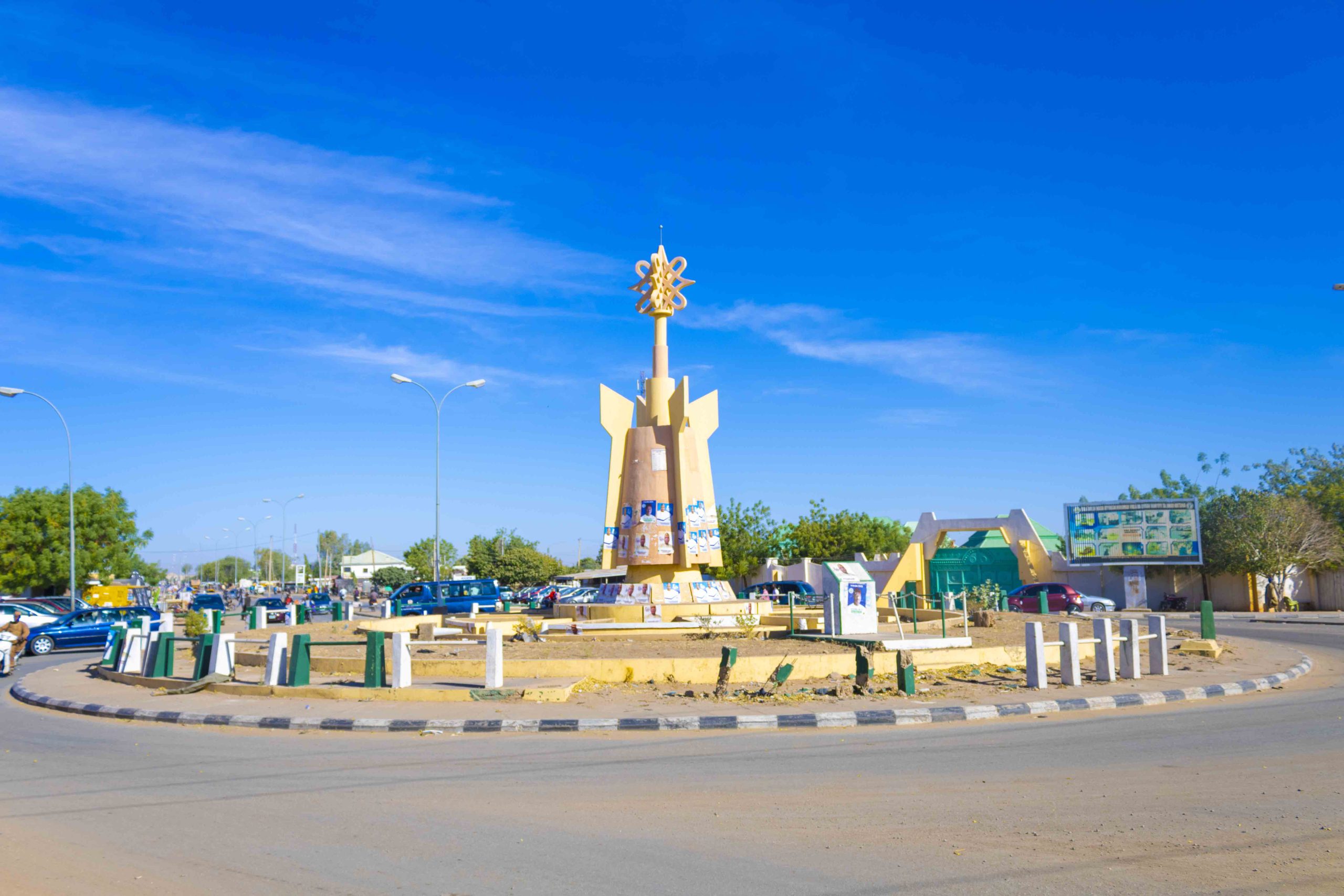
Located in the northwest, Katsina State has grown significantly over the years. Known for its strong cultural heritage and educational history, Katsina has produced two of Nigeria’s presidents, Umaru Musa Yar’Adua and Muhammadu Buhari.
Predominantly Hausa, the state benefits from extensive agricultural activities and a growing youth population.

4. Kaduna State – 8.4 Million
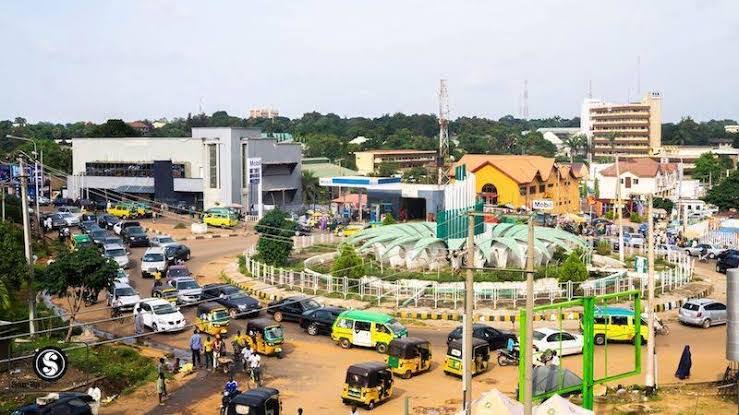
A melting pot of ethnic and religious groups, Kaduna occupies a strategic position in northern Nigeria.
It serves as a major center for education, housing several universities, research institutes, and military academies.
Its population has grown from about 6 million in 2006 to over 8 million, a testament to its socio-economic importance and diverse communities.
5. Bauchi State – 7.6 Million
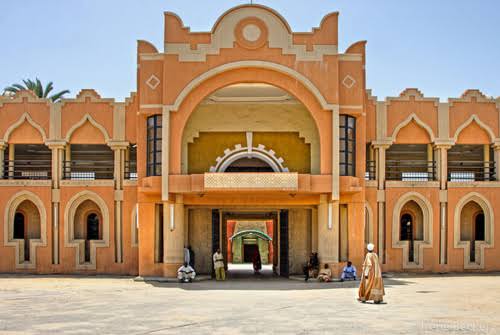
Bauchi, located in northeastern Nigeria, boasts a rich cultural tapestry with more than 50 ethnic groups.
The state is largely agrarian and plays a key role in food production in the region.
Despite challenges like poverty and limited infrastructure, Bauchi continues to witness steady population growth due to its natural endowments and community-based development.
6. Oyo State – 7.6 Million
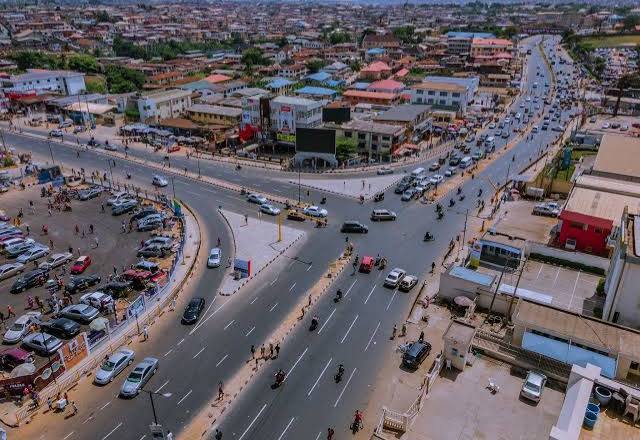
Home to Ibadan, one of the largest cities in West Africa, Oyo State is steeped in historical significance.
Once a political and economic powerhouse during the colonial era, Oyo continues to hold cultural prestige among the Yoruba people.
The state remains a major academic center, with institutions like the University of Ibadan drawing both students and professionals.
7. Rivers State – 7.3 Million
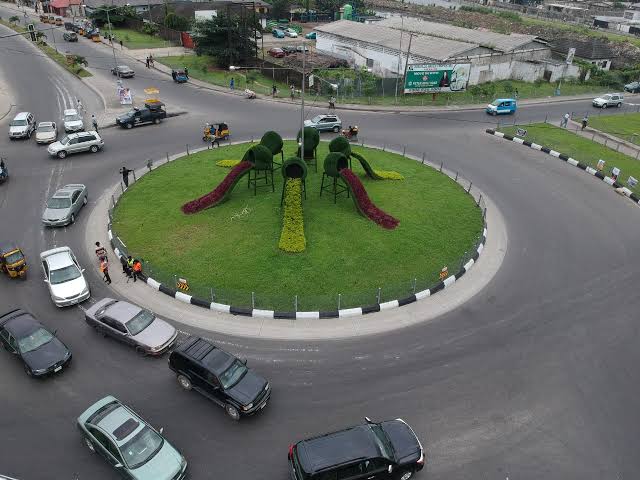
As Nigeria’s oil capital, Rivers State, with Port Harcourt as its capital, attracts people from across the country due to its industrial prospects.
Rich in crude oil and natural gas reserves, Rivers is the economic engine of the South-South geopolitical zone.
Its population has more than doubled since the 2006 census, reflecting its robust economy and urban appeal.
8. Jigawa State – 7 Million
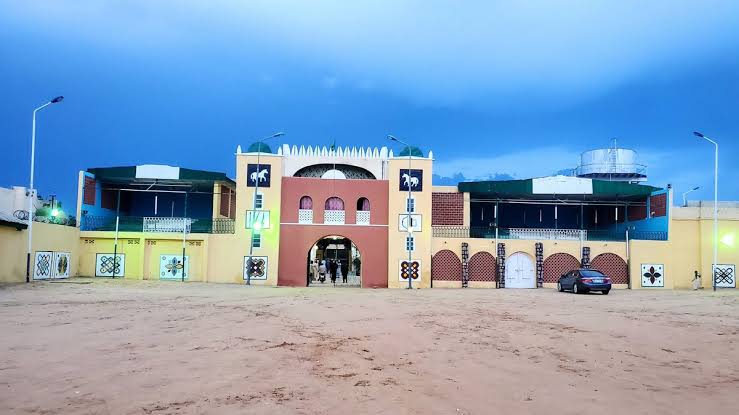
Carved out of Kano State in 1991, Jigawa is a predominantly rural and agricultural state in northern Nigeria.
Despite its humble profile, Jigawa has steadily grown in population due to internal migration and high birth rates.
The state’s development efforts in education and health have also contributed to its upward demographic trend.
9. Niger State – 6.8 Million
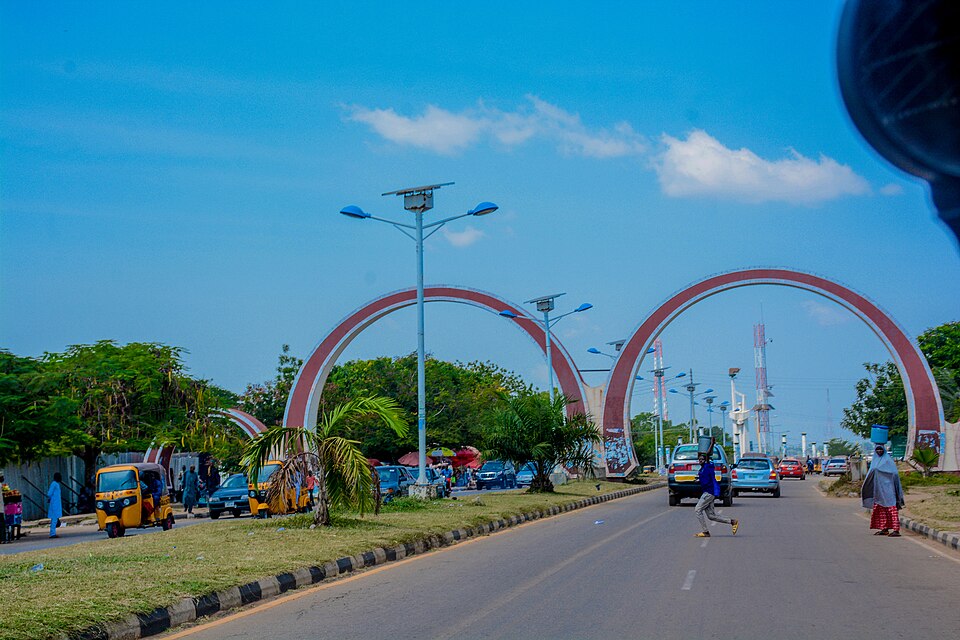
The largest state in Nigeria by landmass, Niger State is located in the North-Central region.
It is home to important hydroelectric facilities, such as the Kainji and Shiroro dams.
The state’s fertile land supports extensive farming, and its central location makes it a gateway between northern and southern Nigeria.
10. Benue State – 6.7 Million
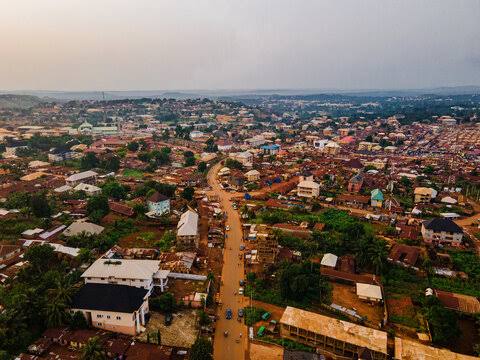
Known as the “Food Basket of the Nation,” Benue State’s rich agricultural output makes it a key player in Nigeria’s food security.
Despite facing challenges like farmer-herder conflicts and rural migration, the state continues to grow in population, driven by its fertile lands and strong farming culture.


 News12 hours ago
Jigawa Assembly suspend council speaker over alleged APC anti-party activity
- News23 hours ago
Julius Berger completes Bodo-Bonny road
- News13 hours ago
Daily Times Publisher pledges N100m support for NUJ FCT Multipurpose hall project
- Crime Watch13 hours ago
Police recover bodies of two kidnap victims, arrest suspect in Edo
- News12 hours ago
NDC chieftain Omo-Agege says he supports Obi but still endorses Tinubu reforms
- Personalities Bios24 hours ago
Bart O. Nnaji: A trailblazer in engineering, technology, and national development
- News13 hours ago
Gunmen abduct Adelabu’s sister, children in Ibadan
- News22 hours ago
Tinubu returns to Abuja after Lagos political tour, Eid celebrations









You must be logged in to post a comment Login