
Special Features
Top 10 most dangerous jobs in the world


While many people head to work every day expecting a safe and secure environment, others face life-threatening hazards just to earn a paycheck.
From scaling rooftops to descending into deep mines, some professions carry risks that far exceed the average job description.
These are not just high-stress roles, they’re occupations where the threat of serious injury or death is a constant reality.
But how do we measure danger in a job? One key indicator is the fatality rate, typically calculated by the number of deaths per 100,000 full-time workers, according to data from organizations like the U.S. Bureau of Labor Statistics (BLS).
By examining this data and analyzing the day-to-day risks involved in these professions, we gain a clearer picture of the world’s most perilous occupations.
This comprehensive list highlights ten of the most dangerous jobs globally.
Some may surprise you, and others may remind you just how much courage and skill certain workers need to simply get through the day.
Let’s take a closer look at the professions that truly put everything on the line.
1. Logging workers

At the top of the danger list are logging workers, those who fell trees and process timber in forests.
The work involves operating massive machinery, often while suspended at high altitudes and surrounded by falling debris.
In 2021, logging workers experienced a fatal injury rate of over 80 deaths per 100,000 full-time workers, according to the BLS.
Although this was a slight improvement from 2020, the risk remains extremely high, with most deaths resulting from equipment malfunctions and falls.
2. Refuse and recycling collectors

What appears to be a routine job, collecting garbage and recyclables, is actually fraught with danger.
These workers are regularly exposed to hazardous waste, operate heavy machinery, and spend long hours on the road.
The BLS reports that in 2021, waste collectors had a fatality rate of 30 deaths per 100,000 workers.
Many accidents involve falling off collection trucks, getting hit by passing vehicles, or injuries from the machinery they operate.
3. Underground mining machine operators

Working deep beneath the earth’s surface brings a host of unique risks. These professionals control heavy equipment used to extract minerals like coal, ore, and rocks in confined, unstable environments.
In 2021, there were around 30 fatal injuries in this field. The BLS cites machinery accidents, cave-ins, and exposure to harmful gases as leading causes.
Despite earning a median annual salary of over $64,000, these workers face threats many can’t imagine.
4. Oil and gas extraction workers

Oilfield workers, especially those operating offshore rigs, are exposed to a variety of dangers, including fires, explosions, toxic chemicals, and long, exhausting shifts.
The infamous Deepwater Horizon disaster in 2010 is a grim reminder of these risks.

Surprisingly, the leading cause of fatalities in this sector is vehicle accidents, as workers often travel long distances between rigs.
Fatigue, rough terrain, and inclement weather all contribute to these tragic incidents.
5. Roofers

Roofers face danger every time they climb to the top of a building. Whether it’s a residential home or a high-rise, working at height is inherently risky, and falls are the most common cause of injury and death in this field.
The BLS reports that falls from roofs account for about one-third of all fall-related deaths in construction.
Even with safety harnesses and equipment, roofers remain among the most vulnerable workers globally.
6. Veterinarians

Though they may not face physical perils like roofers or miners, veterinarians endure a unique combination of emotional and physical stress.
In countries like Australia, the suicide rate among veterinary professionals is alarmingly high.
Emotional fatigue, financial burdens, and daily exposure to animal illness and euthanasia contribute to mental health struggles, making this job one of the most emotionally dangerous professions in the world.
7. Deep-sea fishermen

Life at sea can be thrilling and deadly. Deep-sea fishing is notorious for its unpredictability.
Violent storms, heavy equipment, and long hours far from shore create a perfect storm of danger.
According to the BLS, drowning is the primary cause of death among commercial fishermen.
With minimal access to emergency medical care and exposure to extreme conditions, this job ranks among the deadliest year after year.
8. Structural iron and steel workers
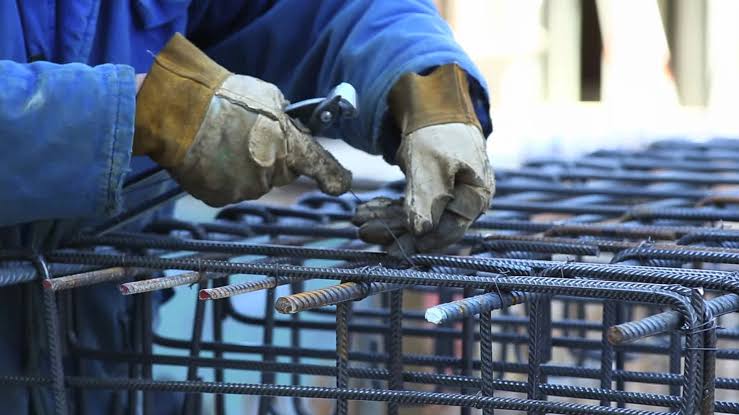
Working with massive steel beams and structures hundreds of feet above ground, these workers must balance, weld, and assemble parts in high-risk environments. One misstep can lead to severe injury or death.
In 2021, about 37 fatalities per 100,000 workers were recorded in this field. In addition to falls, workers face dangers from electrical lines, collapsing structures, and heavy lifting injuries.
9. Pilots and flight engineers

Commercial flying has become safer over the years, but general aviation, including air taxis and agricultural pilots, still presents significant risk.
Turbulence, weather changes, mechanical failure, and pilot fatigue all play roles in flight-related fatalities.
In 2021, more than 50 pilots died on the job. While major airline crashes are rare, smaller aircraft are more vulnerable to unexpected challenges that can quickly turn fatal.
10. Bull riders

Bull riding may be classified as a sport, but for many professionals, it’s also a career. It’s one of the most dangerous jobs in entertainment, with riders regularly sustaining head, chest, and limb injuries.
A six-year Australian study revealed a high rate of serious injuries among bull riders, with traumatic brain injuries and spinal cord damage topping the list. The thrill may be high, but so is the risk.

 News22 hours ago
Julius Berger completes Bodo-Bonny road
- Crime Watch12 hours ago
Police recover bodies of two kidnap victims, arrest suspect in Edo
- News11 hours ago
Jigawa Assembly suspend council speaker over alleged APC anti-party activity
- News12 hours ago
Daily Times Publisher pledges N100m support for NUJ FCT Multipurpose hall project
- News11 hours ago
NDC chieftain Omo-Agege says he supports Obi but still endorses Tinubu reforms
- Personalities Bios23 hours ago
Bart O. Nnaji: A trailblazer in engineering, technology, and national development
- News21 hours ago
Tinubu returns to Abuja after Lagos political tour, Eid celebrations
- News12 hours ago
Gunmen abduct Adelabu’s sister, children in Ibadan












You must be logged in to post a comment Login