
Business
CRMI raises alarm over global oil risks as UAE exits OPEC

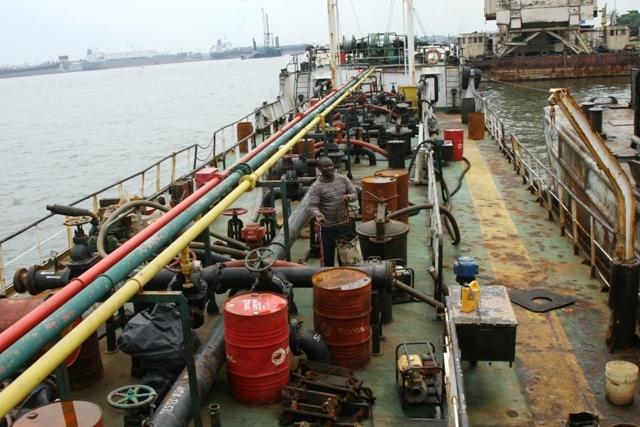
The Chartered Risk Management Institute of Nigeria has issued a strong warning to stakeholders following the decision of the United Arab Emirates to exit the Organization of the Petroleum Exporting Countries, effective May 1, 2026.
In a policy advisory statement signed by its Registrar and Chief Executive Officer, Victor Olannye, the institute described the move as a major shift in global oil governance with far-reaching implications for economies, markets, and energy systems worldwide.
According to CRMI, the UAE’s exit could trigger increased market volatility, geopolitical tensions, and disruptions in energy supply chains.
The institute warned that the development may weaken OPEC’s cohesion, potentially leading to unpredictable oil prices and a more fragmented global oil structure. It also highlighted the risk of other member countries following suit, which could further destabilise the oil market.
Among the key risks identified are oil price volatility, macroeconomic uncertainty, geopolitical instability, and supply chain disruptions within the global energy sector.
For Nigeria, the implications are mixed. On one hand, CRMI noted that the country could benefit from increased production flexibility, potential expansion in market share, and improved revenue opportunities.
On the other hand, the institute cautioned that Nigeria may face heightened exposure to price fluctuations, increased competition, and reduced protection from coordinated supply management traditionally offered by OPEC.
These risks, it said, could have broader fiscal implications, especially for a country heavily dependent on oil revenue.

In response to the evolving situation, CRMI urged corporate organisations to strengthen their risk management frameworks, adopt dynamic hedging strategies, and diversify their business portfolios.
Financial institutions and investors were also advised to reassess energy-related risks, improve portfolio diversification, and enhance transparency in risk disclosures.
For policymakers and the public sector, the institute recommended building stronger fiscal buffers, accelerating economic diversification, and promoting a transition toward renewable energy sources.
CRMI further encouraged individual risk professionals to upgrade their skills in geopolitical risk analysis and energy economics. It stressed the importance of developing expertise in scenario planning and predictive analytics to better navigate the changing global landscape.
The institute projected several possible outcomes from the UAE’s exit, including a shift toward market-driven oil pricing, fragmentation of global oil governance, and a faster transition to alternative energy sources.
It concluded by urging all stakeholders to proactively reposition their strategies to remain resilient in what it described as an increasingly complex geo-economic environment.
With global energy dynamics rapidly evolving, CRMI’s advisory underscores the urgency for Nigeria and other oil-dependent economies to adapt swiftly and strategically.

 News2 days ago
Labour Party announces ₦50m presidential form fee, grants Otti free nomination ticket
- News2 days ago
Tragedy as gunmen kill businessman hours before child’s dedication in Edo
- News16 hours ago
Soludo names new heads for key Anambra agencies
- News2 days ago
Obi, Kwankwaso officially join NDC
- News2 days ago
PSC fires 5 Police officers over Effurun killing in Delta
- News16 hours ago
Wike backs George Kelly as APC’s candidate to challenge Fubara.
- News1 day ago
NUJ FCT Council congratulates Ikharo Attah on new role as Media Adviser
- Politics16 hours ago
2027: ADC fixes date for special convention, presidential primary














You must be logged in to post a comment Login