
Special Features
10 African nations with largest road networks

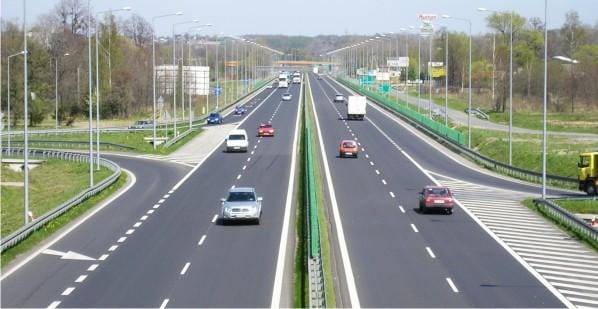
Roads are the backbone of Africa’s economies, providing the main links that connect people, goods and services across vast distances.
They carry farm produce to markets, move workers to offices and factories, link students to schools and ensure patients can reach hospitals.
With about 80 per cent of goods and nearly 90 per cent of passenger movement on the continent depending on roads, their role in economic growth and daily life is critical.
Although many African countries still struggle with poor road conditions and limited maintenance, some stand out for the size and reach of their road networks.
These large networks support domestic trade and also strengthen regional integration under the African Continental Free Trade Area.
This article looks at 10 countries in Africa with the largest road networks.
1. South Africa – 750,000 km
South Africa ranks first in Africa by a wide margin, with an estimated 750,000 kilometres of roads.
This extensive network is the result of decades of investment in transport and logistics, driven by the country’s industrialised economy.
The roads connect major cities, industrial zones, ports and rural areas, making movement of goods and people relatively efficient.
South Africa’s road system supports mining, manufacturing, agriculture and tourism, and also positions the country as a key transport gateway for the Southern African region.
2. Nigeria – 195,000 km
Nigeria comes second with about 195,000 kilometres of roads, reflecting the needs of Africa’s most populous country and one of its largest economies.
The road network links major commercial centres such as Lagos, Abuja and Port Harcourt, as well as ports, airports and thousands of rural communities.
Roads play a major role in moving agricultural produce, petroleum products and manufactured goods across the country.
However, despite its size, Nigeria continues to face challenges with road quality and maintenance.
3. Ethiopia – 161,452 km
Ethiopia ranks third with roughly 161,452 kilometres of roads, following years of deliberate expansion under national development programmes.
The government has focused on improving connections between cities and remote rural areas to boost trade, agriculture and access to social services.
Roads have helped improve market access for farmers and supported Ethiopia’s growing industrial parks and export activities, especially in landlocked regions that depend heavily on road transport.
4. Kenya – 161,000 km
Kenya closely follows Ethiopia with about 161,000 kilometres of roads. Its road network underpins its position as East Africa’s economic and logistics hub.
Major highways link the port city of Mombasa to Nairobi and onward to Uganda, Rwanda and South Sudan, making Kenya a key transit country for regional trade.
Roads also support tourism, agriculture and urban growth, although congestion and maintenance remain ongoing concerns.

5. Democratic Republic of the Congo – 152,000 km
The Democratic Republic of the Congo has an estimated 152,000 kilometres of roads, making it one of the largest networks in Central Africa.
These roads are crucial for connecting mineral-rich regions to processing centres and markets.
However, difficult terrain, dense forests and heavy rainfall make road construction and maintenance challenging.
Many roads are unpaved, but they remain vital for economic activity and access to basic services in remote areas.
6. Tanzania – 145,000 km
Tanzania ranks sixth with about 145,000 kilometres of roads. The network links major cities such as Dar es Salaam with ports, agricultural zones and neighbouring countries.
Roads play a key role in moving cash crops, minerals and consumer goods, as well as supporting tourism to national parks and coastal areas.
Tanzania’s roads also serve as important trade corridors for landlocked countries in East and Central Africa.
7. Algeria – 141,000 km
Algeria has around 141,000 kilometres of roads, connecting its vast desert interior to northern cities and Mediterranean ports.
The road network supports oil and gas operations, trade and population movement across long distances.
Major highways link industrial and commercial centres, while roads in remote areas help improve access to services, despite the challenges posed by harsh desert conditions.
8. Mali – 139,000 km
Mali’s road network covers about 139,000 kilometres and is essential for linking rural communities to regional markets and administrative centres.
As a landlocked country, Mali relies heavily on roads to move goods to and from neighbouring countries.
The network supports agriculture, livestock trade and access to basic services, although security issues and maintenance costs pose serious challenges.
9. Zimbabwe – 97,000 km
Zimbabwe ranks ninth with an estimated 97,000 kilometres of roads. The network supports key sectors such as agriculture, mining and manufacturing by linking farms, mines and factories to urban centres.
Roads also connect Zimbabwe to regional trade routes in Southern Africa. While the network is relatively extensive, parts of it require rehabilitation due to years of limited investment.
10. South Sudan – 90,000 km
South Sudan completes the top ten with about 90,000 kilometres of roads. As one of Africa’s youngest countries, it is still developing its transport infrastructure.
Roads are crucial for improving access to markets, humanitarian services and government institutions, especially during the rainy season when many areas become isolated.
Despite major challenges, continued investment in roads is seen as key to the country’s long-term development.

 News2 days ago
NSITF prioritising AI impact on gig workers, platform economy – Faleye
- News2 days ago
Gumen shoot Accord Party chairman in Osogbo
- News2 days ago
Atiku’s spokesman urges DSS to question Sunday Igboho over Oyo kidnapping claims
- News2 days ago
Senate receives Tinubu’s nomination of Zainab Marwa for NDDC board seat
- Entertainment2 days ago
Why I struggles to commit to one woman – Flavour explains
- Crime Watch1 day ago
Police arrest man over viral AI-generated voice impersonating Tinubu
- News1 day ago
Rivers United players escape injury as team bus crashes en route to federation cup clash
- News1 day ago
Seven killed in fresh farmers–herders clash in Bauchi












You must be logged in to post a comment Login