
Special Features
7 possible causes of building collapse in Nigeria

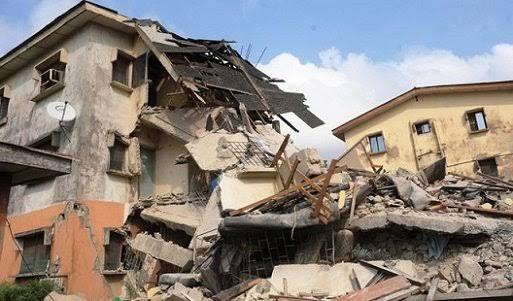
A building collapse occurs when a structure suddenly fails and falls because it can no longer support its own weight or the loads placed on it.
Such incidents often result from defects in design, poor construction practices, weak foundations, substandard materials, inadequate maintenance, or environmental factors.
Building collapses are among the most devastating disasters in any society because they lead to loss of lives, injuries, destruction of property, financial losses, and emotional trauma for victims and their families.
The issue has once again come to national attention following the collapse of a three-storey building in the Alakija area of Lagos State on Thursday, June 25, 2026, which left several people trapped beneath the rubble.
Similar incidents have also been recorded in Rivers State over the years, highlighting the persistent challenge of structural failures across Nigeria.
Experts have repeatedly warned that many of these tragedies are preventable if proper construction standards and regulations are followed.
Below are seven major causes of building collapse in Nigeria;
1. Use of substandard building materials
One of the leading causes of building collapse is the use of inferior construction materials.
Some developers and contractors purchase low-quality cement, steel rods, blocks, and other materials in an attempt to reduce construction costs.
These materials often lack the strength required to support the structure, making buildings vulnerable to cracks and eventual collapse.
The use of counterfeit construction materials has also become a growing concern in the industry.
2. Weak or inadequate foundation
The foundation serves as the backbone of any building. If it is not properly designed or constructed, the entire structure becomes unstable.
Before construction begins, engineers must assess the nature of the soil and determine whether it can support the intended building.
In areas with swampy terrain, such as parts of Lagos and Rivers states, stronger and deeper foundations are required.
Failure to provide adequate foundations can cause buildings to sink, tilt, or collapse.
3. Poor workmanship and unskilled labour
Even when quality materials are available, poor workmanship can compromise the integrity of a building.
Some developers hire unqualified workers to save money, resulting in construction errors.

Incorrect mixing of concrete, poor reinforcement placement, and failure to follow engineering specifications can significantly weaken a structure.
Construction projects require skilled professionals who understand proper building procedures and safety standards.
4. Overloading of buildings
Buildings are designed to carry specific loads.
Problems arise when owners exceed these limits by adding extra floors, installing heavy machinery, placing large water tanks, or converting residential buildings into warehouses and commercial facilities.
Such modifications increase pressure on the structure beyond what it was originally designed to bear, often leading to structural failure and collapse.
5. Change of building purpose without structural assessment
Many buildings collapse because their original purpose is altered without proper evaluation by structural engineers.
For example, a building designed as a residential apartment may later be converted into a factory, warehouse, school, or office complex.
These changes often introduce additional weight and stress that the building was not designed to accommodate.
Without proper reinforcement and approval, such alterations can become dangerous.
6. Lack of professional supervision and regulatory enforcement
Construction projects require continuous supervision by qualified engineers, architects, and building inspectors.
Unfortunately, some projects proceed with little or no professional oversight.
Inadequate monitoring allows contractors to ignore approved building plans, cut corners, and use improper construction methods.
Weak enforcement of building regulations by authorities also contributes to the growing number of collapsed structures across Nigeria.
7. Poor maintenance, water damage and fire disaster
Buildings require regular inspection and maintenance throughout their lifespan.
Water seepage from leaking roofs, broken pipes, or poor drainage systems can weaken concrete and cause steel reinforcements to rust.
Similarly, fire outbreaks can reduce the strength of steel and concrete, leaving the structure vulnerable even after the flames have been extinguished.
Neglecting maintenance allows these hidden defects to worsen over time until the building eventually fails.


 News20 hours ago
NUJ FCT puts spotlight on future of independent media, backs CHRICED’s ‘make it count’ initiative
- News20 hours ago
Katsina govt denies sponsoring Hajj for bandit leaders, demands evidence
- News2 days ago
Tragedy in Rivers as three-storey building crumbles, one dead
- News2 days ago
State Police move advances as Senate passes constitutional amendment Bills
- News2 days ago
Tinubu submits Prof. Abayomi Fashina’s name for Ambassadorial appointment
- News2 days ago
Breaking…LPPC Suspends Mike Ozekhome’s SAN Rank
- News1 day ago
Residents trapped after 3-storey building collapses in Lagos
 News24 hours ago
NECO unveils results of 2026 Basic Education Certificate Examination









You must be logged in to post a comment Login