
News
‘He lived too simply for power politics’ – Daughter reflects on Murtala Muhammed’s death

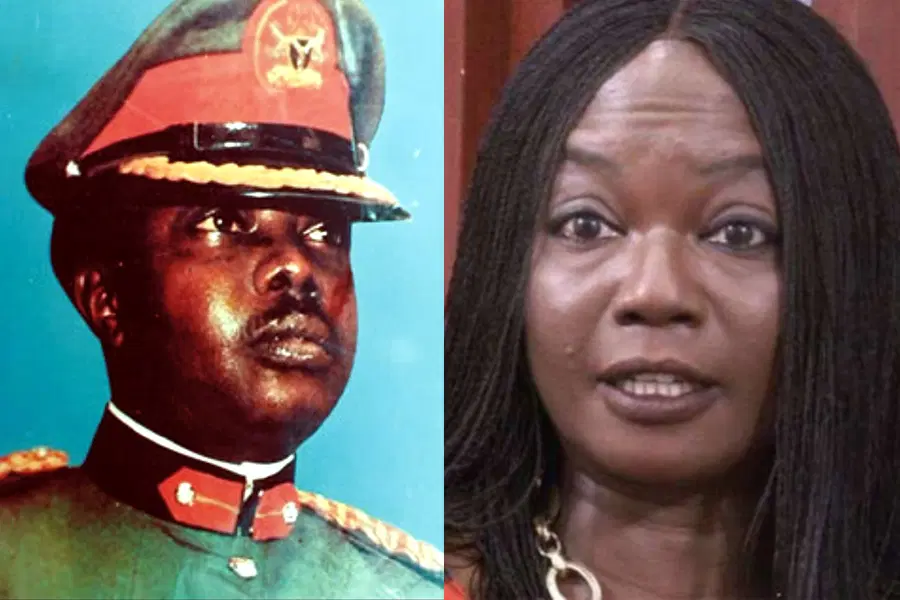
Aisha Muhammed, daughter of former Head of State General Murtala Ramat Muhammed, has shared personal insights into her father’s leadership style and modest lifestyle, saying the very qualities that defined his legacy also played a role in the tragic circumstances surrounding his assassination.
Speaking on ARISE News’ Morning Show to commemorate the 50th anniversary of his death, Aisha reflected on the late leader’s values, describing him as a man who lived by principles of accountability, responsibility, and discipline.
Now the Chief Executive Officer of the Murtala Muhammed Foundation, she said her father was unwavering in his commitment to fighting corruption, which he viewed as a “cankerworm” capable of destroying society. According to her, his stance against corruption was not just political rhetoric but something he practised personally in his everyday life.
She explained that General Muhammed deliberately avoided the trappings of power, rejecting motorcades, sirens, and heavy security details in favor of living like an ordinary Nigerian. This simplicity, she noted, made him vulnerable to the fatal attack on February 13, 1976, when coup plotters intercepted his vehicle in traffic and assassinated him.
“If you know, my father didn’t go around with motorcades and sirens and a lot of security. Now, there are people who say to me, 50 years later, it must have been quite painful because of the loss, but that was what he embodied.

“So, and that was why it was actually easy to assassinate him, because he didn’t have a whole slew of security with him.
“He was in traffic just like everybody else. In fact, the traffic wardens stopped them, and they stopped, just like everybody else, and that was when the coup plotters came out from behind the sectarian barricade, and then he was shot,” she said while reflecting on the loss.
General Murtala Muhammed came to power in July 1975 after ousting General Yakubu Gowon in a bloodless coup. His tenure lasted only 200 days, but it was marked by sweeping reforms. He dismissed over 10,000 public officials accused of corruption, created seven new states, and initiated plans for Nigeria’s transition to civilian rule. His administration also began the process that eventually led to the relocation of the nation’s capital from Lagos to Abuja.

 News1 day ago
NSITF–Rand mutual partnership to boost social protection across Africa, says Faleye
- News1 day ago
IGP issues tough sanctions over police presence on social media
- News1 day ago
Lakurawa introduces controversial marriage rules, limits bride price to ₦1,500
- News2 days ago
47 hostages regain freedom as troops raid terrorist hideout
- News2 days ago
State Police move gains momentum as Tinubu transmits bill to Senate
- News1 day ago
Political shake-up in Kebbi as Senator Maidoki quits APC
- Business2 days ago
Naira extends gains, trades at N1,394 per dollar
- Uncategorized2 days ago
Suspected kidnappers Ccapture OPC chieftain during ransom drop-off in Kwara









You must be logged in to post a comment Login