
Foreign Affairs
Nepal army, Gen Z protesters resume talks to choose interim leader after deadly unrest

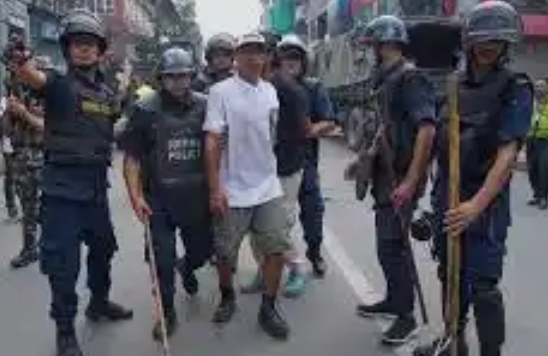
Nepal’s army said it would resume negotiations on Thursday with leaders of the youth-driven protest movement that has shaken the Himalayan nation, as both sides seek to agree on an interim leader following the resignation of Prime Minister Pushpa Kamal Dahal.
The talks come after weeks of unprecedented unrest led by “Gen Z” demonstrators demanding sweeping reforms and an end to corruption.
At least 30 people were killed in clashes across the country, including 19 during the height of last week’s protests in Kathmandu, when security forces fired tear gas and rubber bullets into crowds after the government moved to ban Facebook, TikTok, and other social media platforms.
The ban, which authorities later rolled back, ignited widespread anger and galvanized young Nepalis, many of whom accuse the country’s political elite of mismanagement and graft.
The protests swelled into the largest anti-government demonstrations in decades, eventually forcing Dahal to step down earlier this week.
On Thursday, the streets of the capital were markedly calmer, though soldiers maintained a visible presence and armored vehicles patrolled major intersections. Shops and schools reopened, but residents spoke of lingering unease.
“We don’t want violence anymore, but we also don’t want the same old politics,” said Ramesh Adhikari, a 22-year-old protester camped near Ratna Park.
“This time, young people must have a voice in choosing the future.”

Army spokesperson Brigadier General Suresh Thapa confirmed that discussions with protest representatives were underway to chart a way forward.
“Our goal is to stabilize the nation and establish an interim authority that reflects the will of the people,” he told reporters.
No clear frontrunner for interim leadership has yet emerged, though analysts say the army’s involvement underscores the fragility of Nepal’s democracy, which has struggled with frequent changes in government since the end of its monarchy in 2008.
International observers, including the United Nations, have urged restraint and dialogue.
“Nepal is at a critical juncture,” said UN envoy Hanaa Singer-Hamdy.
“The priority must be restoring trust between citizens and institutions.”
For now, Kathmandu is watching closely as generals and young activists sit at the same table — an unusual pairing in Nepal’s turbulent politics.
Whether they can find common ground may determine the country’s immediate stability and its long-term democratic trajectory.




 News1 day ago
Bandits murder 17 in Sokoto community attack
- News1 day ago
Kidnapped Kaduna schoolchildren, driver regain freedom after 36 days in captivity
- Personalities Bios2 days ago
Who is Oghale Joseph? New CEO of PZ Cussons Nigeria
- Crime Watch1 day ago
Court sentences 5 men to death for armed robbery, conspiracy
- News1 day ago
Nollywood Veteran actor, Janmole passes away
- News2 days ago
2 policemen killed as gunmen attack Soludo’s Chief of Staff convoy
- News1 day ago
I didn’t join APC because of Akwa Ibom deep seaport – Gov Eno
- News2 days ago
PSC denies viral police recruitment shortlist, says it’s fake









You must be logged in to post a comment Login