
Foreign Affairs
UN nuclear watchdog censures Iran for breach of nuclear pact, Tehran vows retaliation as U.S. talks loom

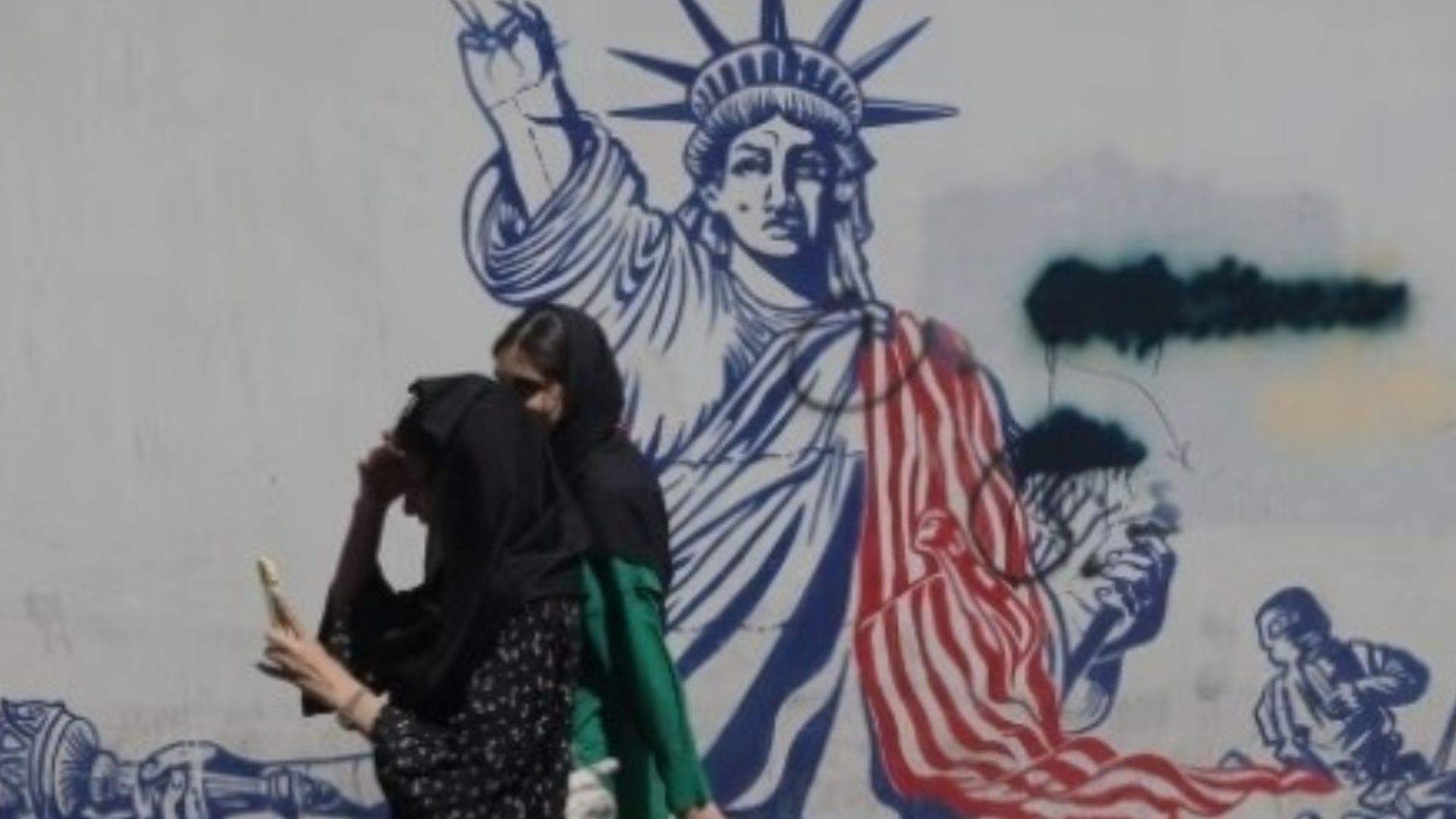
The United Nations’ nuclear watchdog declared Iran in breach of its non-proliferation obligations on Thursday, prompting an immediate and defiant response from Tehran, further stoking tensions across the Middle East.
The decision comes just days ahead of renewed diplomatic efforts between the United States and Iran aimed at curbing the Islamic Republic’s fast-advancing uranium enrichment program.
In a sharply worded resolution, the International Atomic Energy Agency’s (IAEA) 35-nation Board of Governors cited Iran’s persistent refusal to cooperate with inspectors and its failure to provide satisfactory explanations regarding the presence of nuclear material at undeclared sites.
The motion passed by a wide margin, with only a handful of abstentions and one vote against, signaling a rare show of unity among major powers concerned about Iran’s nuclear trajectory.
“The Board is deeply concerned by Iran’s continued lack of transparency and non-compliance with its safeguards obligations,” the resolution read, urging Tehran to immediately reverse its recent nuclear escalations and grant full access to IAEA inspectors.
In response, Iranian authorities denounced the resolution as “politically motivated” and announced a series of countermeasures.
A spokesperson for Iran’s Atomic Energy Organization said Tehran would deactivate IAEA surveillance cameras at several key nuclear facilities and accelerate the installation of advanced centrifuges.
“These actions are a direct response to the hostile behavior of the Agency and certain Western governments,” Iranian Foreign Ministry spokesperson Nasser Kanaani said in a televised address.
“Iran will not be pressured into surrendering its sovereign right to peaceful nuclear energy.”

The development comes at a critical juncture. The Omani Foreign Minister, Sayyid Badr al-Busaidi, confirmed on Thursday that U.S. and Iranian negotiators will convene in Muscat on Sunday for a sixth round of indirect talks. Oman has long served as a discreet mediator between the two nations.
“We welcome both parties back to the table and urge constructive dialogue to prevent further regional escalation,” Badr said, adding that Oman is “deeply concerned” by the rising nuclear tension and the risk of miscalculation.
Washington expressed cautious optimism about the upcoming discussions but reiterated its firm stance on Iran’s obligations under the Nuclear Non-Proliferation Treaty (NPT).
“Iran must understand that its breaches will not go unchecked,” U.S. State Department spokesman Matthew Miller said in a briefing. “But there remains a path for diplomacy if Iran is willing to engage seriously and transparently.”
Analysts warn that the standoff could further destabilize the already volatile Middle East, particularly as Israel intensifies its rhetoric against what it perceives as Iranian brinkmanship.
Earlier this week, Israeli Prime Minister Eli Cohen reiterated that “all options remain on the table” to prevent Iran from acquiring a nuclear weapon.
Despite the increasingly belligerent rhetoric, diplomats familiar with the situation say both Washington and Tehran are under pressure to prevent a total breakdown of the dialogue, especially with domestic and regional crises mounting on both sides.
The coming talks in Oman may prove pivotal. But for now, the spiral of accusations, countermeasures, and deepening mistrust leaves the international community bracing for what could become a new chapter in the long-running nuclear standoff.




 News2 days ago
Bandits murder 17 in Sokoto community attack
- Personalities Bios2 days ago
Who is Oghale Joseph? New CEO of PZ Cussons Nigeria
- News2 days ago
Kidnapped Kaduna schoolchildren, driver regain freedom after 36 days in captivity
- Crime Watch2 days ago
Court sentences 5 men to death for armed robbery, conspiracy
- News2 days ago
2 policemen killed as gunmen attack Soludo’s Chief of Staff convoy
- News2 days ago
PSC denies viral police recruitment shortlist, says it’s fake
- News2 days ago
Nollywood Veteran actor, Janmole passes away
- News2 days ago
I didn’t join APC because of Akwa Ibom deep seaport – Gov Eno










You must be logged in to post a comment Login