
Education
Nigeria to transition to CBT for WAEC, NECO by 2026

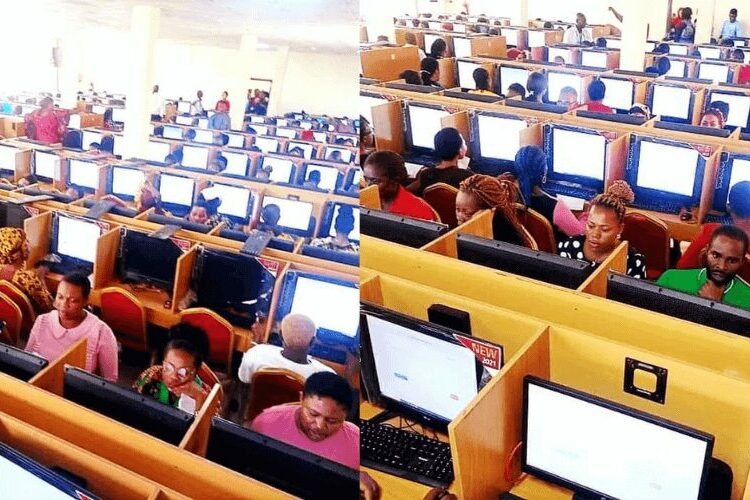
In a significant move to modernize Nigeria’s education sector, the Federal Government has announced plans to fully implement Computer-Based Testing (CBT) for all examinations conducted by the West African Examinations Council (WAEC) and the National Examinations Council (NECO) by 2026.
The announcement came from the Minister of Education, Dr. Tunji Alausa, during an inspection of the ongoing Joint Admissions and Matriculation Board (JAMB) examinations in Bwari, Abuja, on Monday.
Dr. Alausa emphasized that this shift to CBT is part of the government’s ongoing efforts to enhance the quality and integrity of the country’s examination processes. The move aims to foster greater transparency, reduce malpractice, and align Nigeria’s educational assessments with global standards.
The change is expected to impact over two million candidates, who are currently sitting for the exams at more than 800 centres across the country. With this transition, Nigeria joins a growing number of nations adopting digital methods for examinations, promising a more efficient and secure system for students nationwide.
Dr. Alausa emphasized that the shift to CBT is a crucial step towards enhancing transparency, curbing examination malpractice, and aligning Nigeria’s examination standards with global best practices.
Alausa confirmed that both WAEC and NECO would begin administering objective questions through CBT by November this year, while the full transition, covering both essay and objective papers, would take effect from May/June 2026.
He noted, “If JAMB can successfully conduct CBT exams for over 2.2 million candidates, WAEC and NECO can achieve the same.”
“We will ensure that both bodies start their objective papers on CBT this year, with full CBT for all exam sections commencing by May/June 2026.”
“That is one effective way to curb exam malpractice.”

The minister further disclosed that a national committee is currently reviewing examination standards, with a comprehensive report and recommendations expected in May.
Meanwhile, JAMB Registrar, Prof. Ishaq Oloyede, addressed concerns regarding the early commencement of the Unified Tertiary Matriculation Examination (UTME), clarifying that the first session had always begun at 8:00 a.m.
He explained that candidates were asked to arrive by 6:30 a.m. for proper accreditation.
Responding to complaints of students being posted to centres they did not select, Oloyede refuted such claims, stating that investigations revealed no evidence to support them.
He announced that out of the 2.03 million registered candidates, over 1.6 million had completed their exams, with about 50,000 still to write.
The registrar also confirmed the arrest of over 40 candidates for various exam offences, including impersonation and attempting to smuggle out exam questions using concealed cameras.
Oloyede revealed that among the registered candidates were more than 41,000 underage applicants.


 News1 day ago
Julius Berger completes Bodo-Bonny road
- News24 hours ago
Daily Times Publisher pledges N100m support for NUJ FCT Multipurpose hall project
- Crime Watch24 hours ago
Police recover bodies of two kidnap victims, arrest suspect in Edo
- News23 hours ago
Jigawa Assembly suspend council speaker over alleged APC anti-party activity
- News23 hours ago
NDC chieftain Omo-Agege says he supports Obi but still endorses Tinubu reforms
- Personalities Bios1 day ago
Bart O. Nnaji: A trailblazer in engineering, technology, and national development
- News24 hours ago
Gunmen abduct Adelabu’s sister, children in Ibadan
- News1 day ago
Tinubu returns to Abuja after Lagos political tour, Eid celebrations












You must be logged in to post a comment Login