
Foreign Affairs
South Koreans react as president Yoon is removed from office

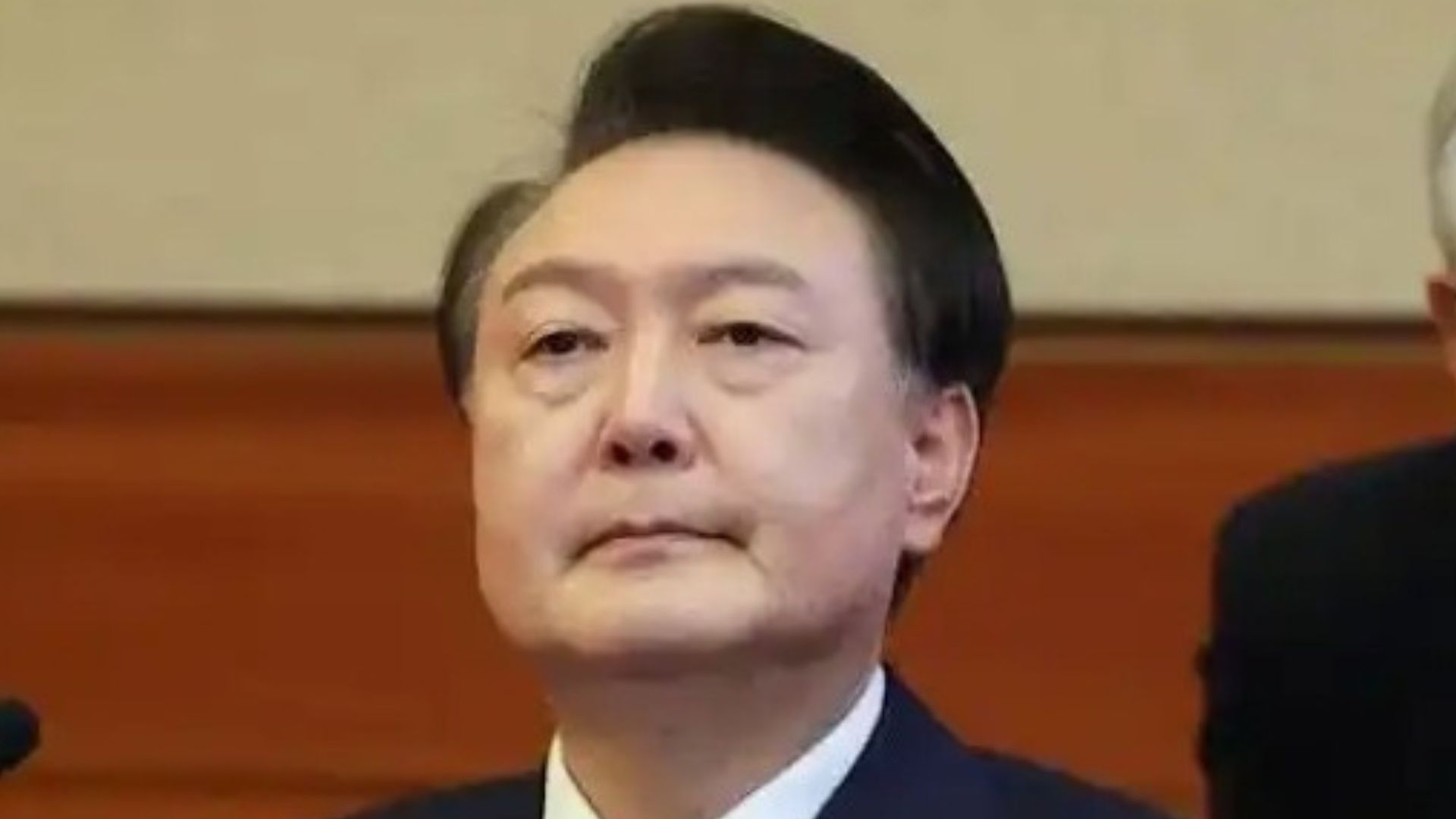
South Korea was rocked by political turmoil on Thursday as President Yoon Suk-yeol was formally removed from office following a landmark ruling by the Constitutional Court.
The decision, which upheld the National Assembly’s impeachment vote last month, has sparked a wide spectrum of reactions across the country, ranging from celebration to deep concern about the nation’s political stability.
The court’s unanimous verdict cited multiple violations of the Constitution, including abuse of power, obstruction of investigations, and breaches of public trust.
The ruling marks only the second time in South Korean history that a sitting president has been removed from office through impeachment, following the ouster of Park Geun-hye in 2017.
In downtown Seoul, crowds gathered outside the National Assembly building as the ruling was announced. Some cheered and waved national flags, chanting slogans calling for reform and accountability.
“This is a victory for democracy,” said Kim Ji-eun, a 32-year-old office worker who took time off work to witness the announcement. “No one is above the law, not even the president.”
Elsewhere, Yoon’s supporters voiced anger and disbelief. “This was a political witch hunt,” said Lee Dong-wook, a 58-year-old small business owner in Daegu, a conservative stronghold.
“He was trying to fix the country and got punished for it.”

Yoon, a former prosecutor-general who came to power in 2022 on a platform of anti-corruption and deregulation, has faced mounting criticism in recent months over allegations of interference in judicial investigations and controversial appointments within his administration. His approval ratings had slumped below 30% amid growing public discontent.
Following the court’s decision, Prime Minister Han Duck-soo assumed the role of acting president.
In a televised address, Han urged calm and unity. “This is a moment for our nation to reaffirm its commitment to democratic principles and the rule of law,” he said, promising a smooth transition and adherence to constitutional procedures.
A special presidential election is expected to be held within 60 days, as mandated by law. Political parties have already begun positioning themselves for what is likely to be a fiercely contested race.
Internationally, allies and observers expressed cautious support for South Korea’s democratic institutions. “We respect the rule of law and the decisions of Korea’s legal system,” said a spokesperson for the U.S. State Department.
Meanwhile, opposition leaders called for sweeping reforms to restore public trust. “This must be a turning point,” said Democratic Party leader Lee Jae-myung. “Our politics needs to be cleansed of corruption and authoritarian impulses.”
As the country heads into an uncertain political future, many South Koreans are reflecting on the fragility and resilience of their democracy.
“This is painful but necessary,” said university student Park Hye-min in Busan. “We’ve been here before, and we will move forward again.”


 News2 days ago
Bandits murder 17 in Sokoto community attack
- News2 days ago
Kidnapped Kaduna schoolchildren, driver regain freedom after 36 days in captivity
- Crime Watch2 days ago
Court sentences 5 men to death for armed robbery, conspiracy
- News2 days ago
Nollywood Veteran actor, Janmole passes away
- News2 days ago
I didn’t join APC because of Akwa Ibom deep seaport – Gov Eno
- Politics2 days ago
House of Reps shake-up as 13 lawmakers defect, Chinda steps down as minority leader
- Crime Watch7 hours ago
Police recover bodies of two kidnap victims, arrest suspect in Edo
- News17 hours ago
Julius Berger completes Bodo-Bonny road








You must be logged in to post a comment Login