
Foreign Affairs
HIV infections surge in post-war Tigray, raising public health alarm

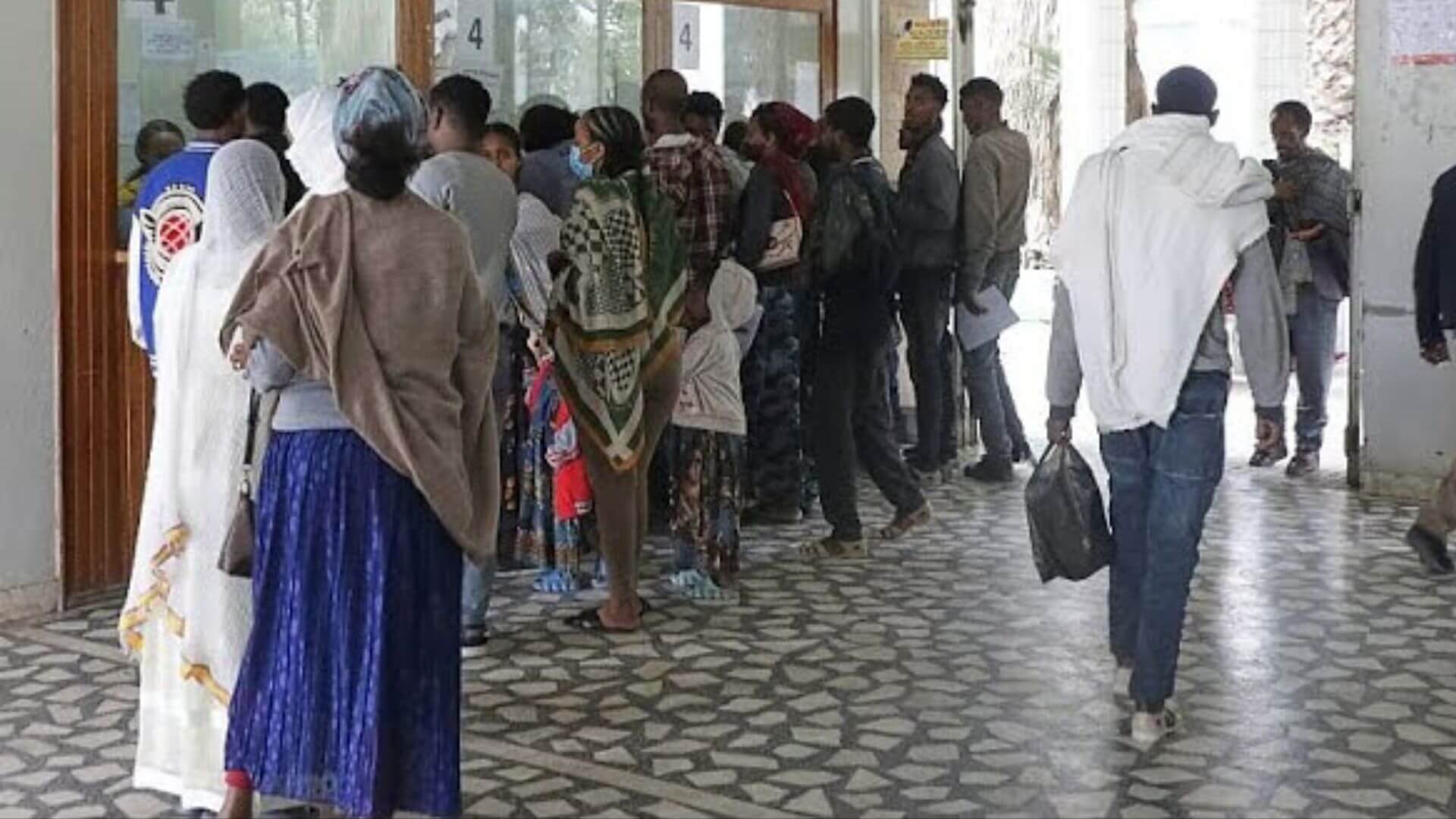
Tigray, once a model region in Ethiopia’s fight against HIV, is witnessing a sharp rise in infections following the devastating two-year war that ravaged the region.
Health officials warn that the progress made before the conflict has been severely undermined, with the average monthly positive rate climbing significantly.
Before the war erupted in 2020 between Ethiopia’s federal government—backed by neighboring Eritrea—and Tigray fighters, the region had achieved one of the lowest HIV prevalence rates in the country at 1.4%. Years of awareness campaigns and treatment accessibility had helped curb infections.
However, the war’s widespread violence, mass displacement, and collapse of healthcare services have contributed to the resurgence of the virus.

Akberet Mengesha, the Anti-retroviral Therapy Department Coordinator at Ayder Referral Hospital in Mekele, confirmed that monthly HIV cases have risen dramatically. A key factor in the increase is the sexual violence committed during the conflict.
A 2023 study published in BMJ Global Health estimated that as many as 10% of women and girls aged 15 to 49 in Tigray—home to around six million people—were subjected to sexual abuse, primarily rape and gang rape, during the war.
Healthcare facilities in the region remain crippled, with limited access to testing and treatment. Many survivors of sexual violence have been unable to receive timely medical care, exacerbating the spread of HIV. Humanitarian organizations have urged urgent international support to restore health services and provide antiretroviral therapy to those affected.
The situation in Tigray underscores the broader humanitarian crisis left in the wake of the war, with ongoing challenges of food insecurity, disease outbreaks, and psychological trauma. Health experts stress that without immediate intervention, the region risks facing a prolonged public health catastrophe.





 News1 day ago
Julius Berger completes Bodo-Bonny road
- News21 hours ago
Daily Times Publisher pledges N100m support for NUJ FCT Multipurpose hall project
- Crime Watch21 hours ago
Police recover bodies of two kidnap victims, arrest suspect in Edo
- News20 hours ago
Jigawa Assembly suspend council speaker over alleged APC anti-party activity
- News20 hours ago
NDC chieftain Omo-Agege says he supports Obi but still endorses Tinubu reforms
- Personalities Bios1 day ago
Bart O. Nnaji: A trailblazer in engineering, technology, and national development
- News21 hours ago
Gunmen abduct Adelabu’s sister, children in Ibadan
- News1 day ago
Tinubu returns to Abuja after Lagos political tour, Eid celebrations











You must be logged in to post a comment Login