
Foreign Affairs
Trump warns Hamas as U.S. engages in Gaza hostage talks

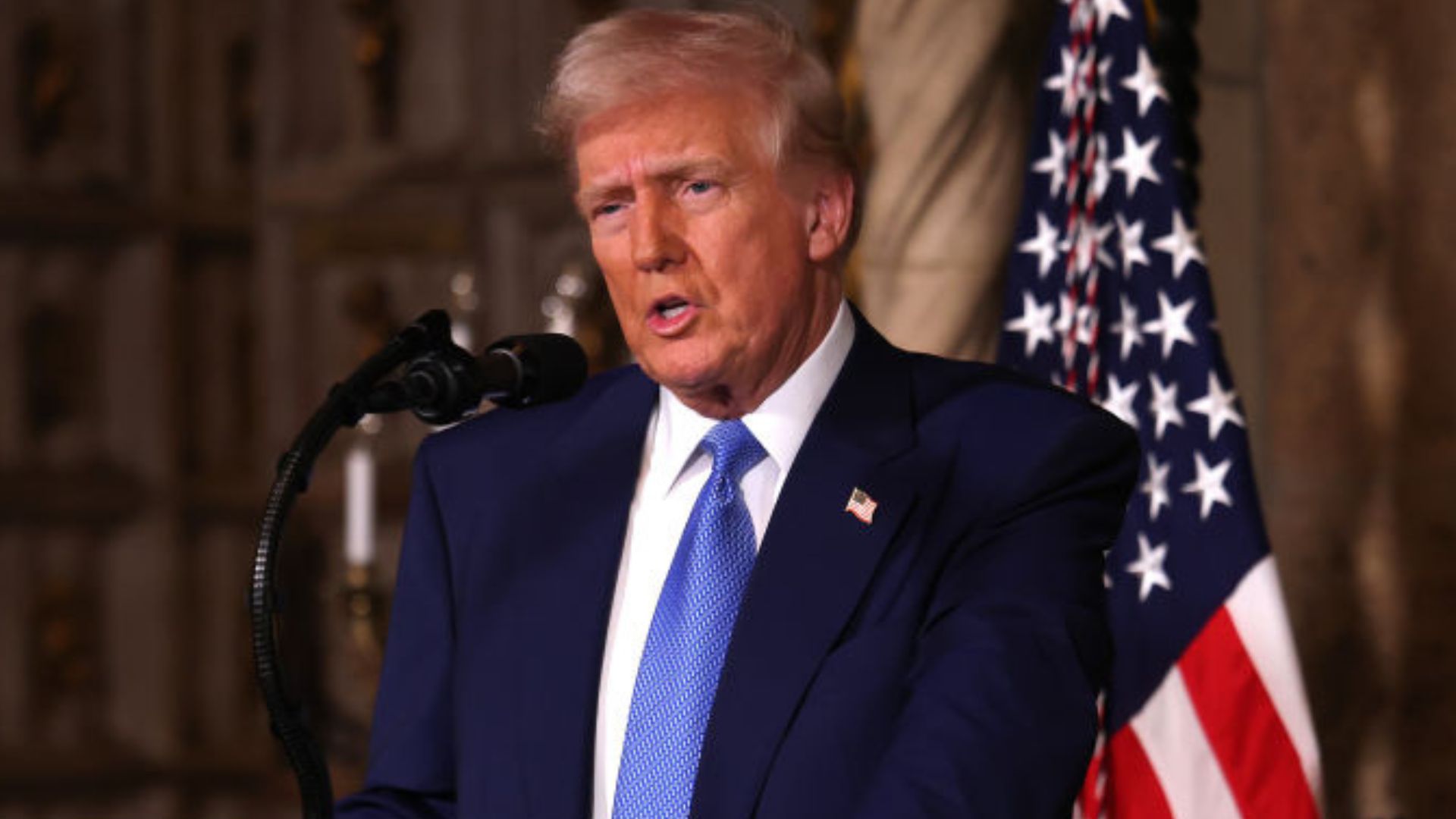
The United States has engaged in secret talks with Hamas to secure the release of American hostages held in Gaza, breaking a longstanding diplomatic taboo.
The move marks a dramatic shift in U.S. policy, which has traditionally avoided direct negotiations with groups it designates as terrorist organizations.
The White House confirmed that U.S. hostage affairs envoy Adam Boehler has been given the authority to communicate directly with Hamas, signaling an urgent push to bring American captives home. President Donald Trump, however, coupled the talks with a stern warning to the Palestinian militant group, stating there would be “hell to pay” should Hamas fail to cooperate.
For decades, Washington has refused to engage directly with Hamas, which governs the Gaza Strip and has been at the center of escalating violence in the region. Instead, the U.S. has relied on intermediaries such as Qatar and Egypt to facilitate communication. However, the urgency of the hostage crisis appears to have forced a recalibration of strategy.
“This is about bringing our people home,” a senior U.S. official told Reuters, emphasizing that the talks do not signal a broader policy shift in how Washington views Hamas.
While confirming the diplomatic engagement, Trump struck a defiant tone, making it clear that failure to release the American hostages would come with severe consequences.
“They must release our people, and they must do it now,” Trump said at a press conference.
“If they don’t, there will be hell to pay.”

The president did not elaborate on what measures his administration might take, but officials indicated that military options remain on the table. The U.S. has bolstered its naval presence in the eastern Mediterranean in recent weeks, a move widely seen as a show of force aimed at Hamas and its regional allies.
The exact number of American hostages held in Gaza remains unclear, but reports suggest that multiple U.S. citizens were taken during the recent escalation of violence between Israel and Hamas. Some hostages are believed to be in Hamas-controlled tunnels, complicating rescue efforts.
The discussions come amid broader international negotiations to secure the release of hostages held by Hamas and other armed groups, with Israel, Egypt, and Qatar playing key roles in mediation efforts. While some previous exchanges have led to the release of civilians, a full resolution remains elusive.
The decision to engage directly with Hamas has sparked debate in Washington. Supporters argue that securing the safe return of American hostages justifies the diplomatic shift, while critics warn that negotiating with a designated terrorist group could set a dangerous precedent.
“This is a necessary but deeply complicated step,” said a former U.S. diplomat familiar with past hostage negotiations.
“It reflects both the urgency of the situation and the difficult choices the administration is facing.”
As the talks continue, the world will be watching closely to see whether diplomacy, backed by the threat of force, can bring the hostages home without further escalating tensions in the already volatile region.









 Crime Watch16 hours ago
Police recover bodies of two kidnap victims, arrest suspect in Edo
- News15 hours ago
Jigawa Assembly suspend council speaker over alleged APC anti-party activity
- News1 day ago
Julius Berger completes Bodo-Bonny road
- News16 hours ago
Daily Times Publisher pledges N100m support for NUJ FCT Multipurpose hall project
- News15 hours ago
NDC chieftain Omo-Agege says he supports Obi but still endorses Tinubu reforms
- Personalities Bios1 day ago
Bart O. Nnaji: A trailblazer in engineering, technology, and national development
- News15 hours ago
Gunmen abduct Adelabu’s sister, children in Ibadan
- News1 day ago
Tinubu returns to Abuja after Lagos political tour, Eid celebrations












You must be logged in to post a comment Login