
News
Bauchi: 4 workers die at water treatment plant

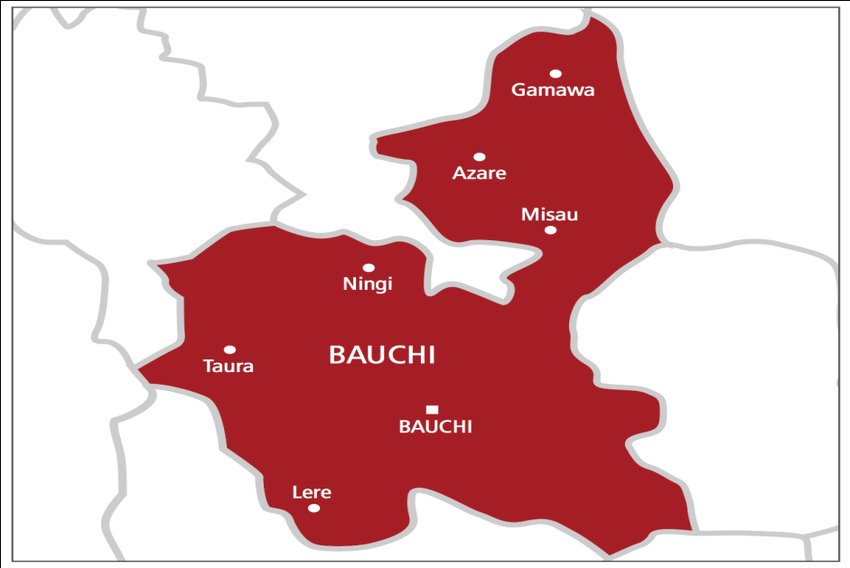
A somber cloud hangs over Bauchi State following a fatal industrial accident at the Gubi Water Treatment Plant, which claimed the lives of four workers during a routine operation.
The Bauchi State Police Command confirmed the heartbreaking incident, which occurred during a sludge cleaning exercise within the plant’s underground tunnels. According to the Command’s spokesperson, CSP Ahmed Wakili, the workers were engaged in a standard maintenance task when tragedy struck.
Preliminary investigations suggest that the victims may have been exposed to hazardous conditions inside the confined workspaces of the plant—raising concerns about safety protocols and emergency response measures in such high-risk operations.
Wakili listed the victims as Shayibu Hamza (48), Abdulmalik Yahya (29), Jamilu Inusa (29) and Ibrahim Musa (42).
The News Agency of Nigeria (NAN) reports that they were all residents of Firo village in Ganjuwa Local Government Area of the state.
Wakili said the workers had entered a clarifier to dislodge pit pipes when the incident occurred.
“They were retrieved unconscious from the tunnel and rushed to the Specialist Hospital, Bauchi, where they were later confirmed dead.

“Police personnel were swiftly deployed to the scene as an investigation into the cause of the incident commenced.
“The management of the water treatment facility is said to be cooperating fully with the authorities to ensure a thorough review,” he said
Wakili, however, stressed the importance of stringent safety measures in such high-risk environments.
“Safety must be non-negotiable in operations like this,” he said.
He urged the management and workers across the sector to adhere strictly to established safety protocols.
Wakili said the Commissioner of Police, Sani-Omolori Aliyu, extended condolences on behalf of the command to the victims’ families, colleagues and management of the plant.
He reaffirmed the commitment of the police to improving safety standards to prevent such occurrences in future.





 News1 day ago
Julius Berger completes Bodo-Bonny road
- News22 hours ago
Daily Times Publisher pledges N100m support for NUJ FCT Multipurpose hall project
- Crime Watch22 hours ago
Police recover bodies of two kidnap victims, arrest suspect in Edo
- News22 hours ago
Jigawa Assembly suspend council speaker over alleged APC anti-party activity
- News21 hours ago
NDC chieftain Omo-Agege says he supports Obi but still endorses Tinubu reforms
- Personalities Bios1 day ago
Bart O. Nnaji: A trailblazer in engineering, technology, and national development
- News22 hours ago
Gunmen abduct Adelabu’s sister, children in Ibadan
- News1 day ago
Tinubu returns to Abuja after Lagos political tour, Eid celebrations








You must be logged in to post a comment Login