
Special Features
Nigeria, Mali, 8 other most hottest nations in Africa

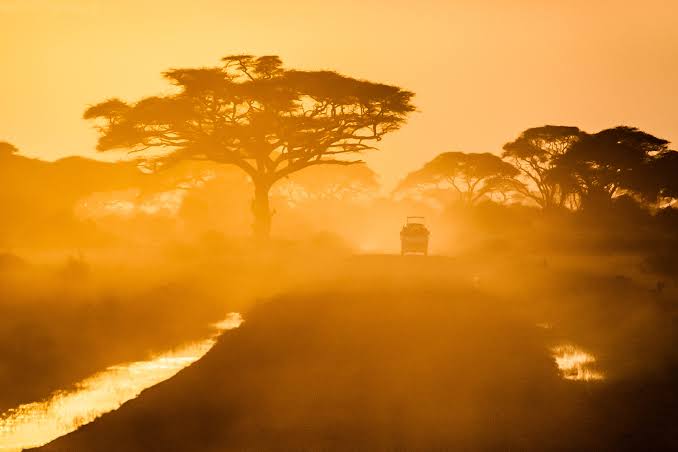
Africa is a land of remarkable contrasts and incredible diversity. Stretching across more than 30 million square kilometers, it is the second-largest continent on Earth, home to over 1.4 billion people and thousands of distinct cultures, languages, and traditions.
From bustling cities and fertile farmlands to remote deserts and tropical rainforests, the continent offers an unparalleled variety of landscapes.
Its natural beauty is complemented by its rich wildlife, from the majestic elephants of the savannas to the colorful birds of the rainforests, and by historical treasures such as the pyramids of Egypt and the rock-hewn churches of Ethiopia.
However, Africa is also defined by its climate, which varies dramatically across regions.
While coastal and highland areas may enjoy moderate temperatures and regular rainfall, much of the continent experiences extreme heat.
Vast deserts like the Sahara, the world’s largest hot desert, dominate northern Africa, while the Sahel, a semi-arid belt stretching across West and Central Africa, sees long dry seasons and intense sun.
Even within tropical zones, seasonal heatwaves can make daily life challenging.
These extreme temperatures affect agriculture, water resources, infrastructure, health, and the overall way people live.
Buildings are designed to stay cool, farming schedules are dictated by rainfall and heat patterns, and local customs often revolve around managing the sun’s intensity.
Climate change has amplified these conditions, causing more frequent and prolonged heatwaves in many regions.
Some areas that were once temperate now face scorching summers, making heat a defining feature of life for millions of Africans.
Understanding which countries experience the most intense heat helps illustrate the continent’s environmental extremes and the resilience of its people.
Here’s a look at the 10 hottest countries in Africa, ranked based on long-term climate trends, average annual temperatures, and the regularity of extreme heat events—not merely on record highs.
1. Burkina Faso
Burkina Faso is often considered the hottest country in Africa.
Situated in the Sahel region, its climate is characterized by long dry periods and extreme heat, particularly from March to May when temperatures can exceed 45°C.
The country’s landlocked location, minimal forest cover, and persistent dry Harmattan winds make the heat intense year-round.
2. Mali
Northern Mali lies deep within the Sahara Desert, exposing the region to relentless heat.
Cities like Timbuktu frequently record temperatures above 40°C.
Mali’s overall climate is dominated by vast desert terrain, very low rainfall, and extended dry seasons, keeping average temperatures among the highest in Africa.

3. Niger
With over two-thirds of its land covered by desert, Niger regularly experiences extreme heat.
Temperatures often exceed 42°C, particularly before the short rainy season, and droughts are common.
The country’s dry climate, combined with its vulnerability to climate change, makes it one of the hottest regions on the continent.
4. Chad
Chad spans from the Sahara Desert in the north to tropical zones in the south, but heat dominates most of the country.
Desert and semi-arid areas maintain consistently high temperatures, influenced by shrinking Lake Chad, the Sahara’s proximity, and generally clear skies that allow heat to intensify.
5. Sudan
Sudan is known for some of Africa’s most extreme temperatures, with summer highs exceeding 47°C in certain areas.
The combination of desert landscapes and a continental climate ensures hot conditions throughout most of the year, with low humidity and minimal rainfall outside the southern regions.
6. Senegal
Although Senegal has a coastline, much of the country, especially the east, experiences intense heat.
Average temperatures remain high year-round, with the dry season amplifying the effect. Its inland Sahelian climate, short rainy periods, and hot trade winds contribute to the persistent warmth.
7. Mauritania
Mauritania is almost entirely desert, which makes it one of Africa’s hottest and driest nations.
High temperatures persist throughout the year, with very little relief from seasonal changes. Frequent sandstorms and minimal rainfall further intensify the heat.
8. Djibouti
Djibouti is notorious for heat combined with high humidity, particularly along the coastal areas.
Summer temperatures can exceed 43°C, creating some of the most uncomfortable conditions in Africa. Its low-lying terrain, proximity to the Red Sea, and volcanic landscapes all contribute to its extreme climate.
9. Nigeria
Northern Nigeria experiences severe heat during the dry season, with temperatures regularly rising above 40°C.
While southern regions enjoy more rainfall and humid conditions, high temperatures affect much of the country.
The variation in climate, from Sahelian heat in the north to tropical humidity in the south, combined with growing heatwaves, makes heat a constant challenge.
10. Eritrea
Eritrea’s lowlands along the Red Sea are among Africa’s hottest zones. Scorching temperatures persist for most of the year, with coastal areas experiencing both extreme heat and high humidity.
Desert terrain, the influence of the Red Sea, and long dry seasons keep Eritrea consistently among the hottest countries in Africa.

 News2 days ago
Bandits murder 17 in Sokoto community attack
- News2 days ago
Kidnapped Kaduna schoolchildren, driver regain freedom after 36 days in captivity
- Crime Watch2 days ago
Court sentences 5 men to death for armed robbery, conspiracy
- News2 days ago
I didn’t join APC because of Akwa Ibom deep seaport – Gov Eno
- News2 days ago
Nollywood Veteran actor, Janmole passes away
- Politics2 days ago
House of Reps shake-up as 13 lawmakers defect, Chinda steps down as minority leader
- News2 days ago
NSCDC arrests 39 over illegal private guard company in A’Ibom
- News20 hours ago
Julius Berger completes Bodo-Bonny road









You must be logged in to post a comment Login